
President Trump warned he will veto every Democratic bill if they take Congress, using the Constitution to force real negotiation.
Story Highlights
- Trump predicted Republicans will win the midterms and said he has a backup plan if not.
- Trump said Democrats would face repeated vetoes until they come to the table to deal.
- The United States Constitution lets a president veto bills; overrides need two-thirds in both chambers.
- Historic midterm trends often hurt the president’s party, but outcomes are not guaranteed.
Trump States Confidence In GOP Wins And Outlines Veto Backstop
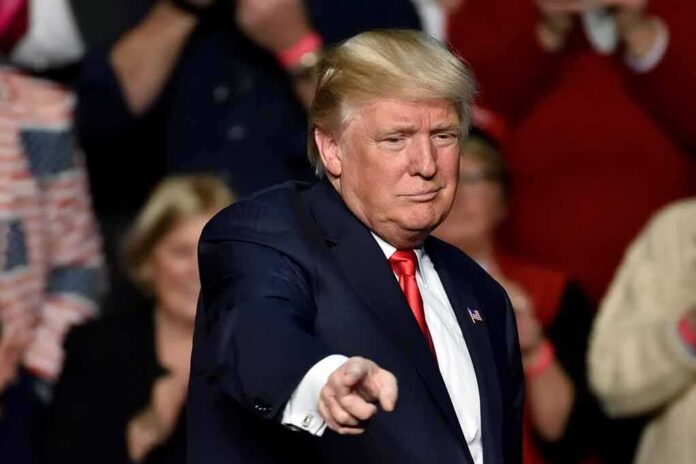
President Trump told reporters on October 23, 2026, that he expects Republicans to win the midterms, but will veto Democratic bills if they capture Congress. He spoke on the White House South Lawn before a campaign rally. He said, “I think the Republicans are going to win,” and added that, under gridlock, “I veto everything” to bring Democrats to negotiate. Multiple outlets recorded the exchange and quotes from the same setting and date.
Trump framed the veto talk as leverage, not just a blockade. He said repeated vetoes would push Democrats to ask, “how do we get it done?” and then make a deal. That approach points to hard bargaining to stop tax hikes, bloated spending, and left-wing policy riders. It also signals a clear line against bills that raise costs, undermine border security, or erode constitutional rights. The message was direct: no green lights for progressive wish lists without serious concessions.
How Veto Power Works And Why It Matters Now
The United States Constitution gives the president veto power over bills that pass both chambers. Congress can override only with a two-thirds vote in the House and Senate. A simple Democratic majority could not erase that power, making it a key check if voters deliver divided government. The president cannot veto bills that never reach his desk, but the threat shapes which measures move and what terms leaders accept in talks.
The math behind a veto override is steep. Two-thirds is a high bar in any modern Congress, and it demands bipartisan votes. That reality makes a veto a strong shield against sweeping tax-and-spend packages, partisan election overhauls, or anti-energy measures. It also encourages narrower, cleaner bills that address core issues like border enforcement or inflation relief without ideological add-ons. That is the kind of restraint many conservatives want after years of runaway agendas.
Midterm History And The Limits Of Predictions
Trump’s forecast of Republican gains fits a common pattern, but it is still a prediction, not a guarantee. Since 1934, the party in the White House has usually lost seats in midterms, with average losses around 28 House seats and four Senate seats. History sets the table, but candidates, turnout, and local issues still decide results. That is why Trump paired optimism with a clear plan to defend core policies if Democrats win control.
The president’s “veto everything” phrase is broad, and he did not list specific bills he would block. But the purpose is plain. He aimed to stop any return to policies that fuel inflation, weaken the border, or chip away at parental rights and gun rights. He also signaled that real deals are possible when Democrats accept limits and focus on what helps families, workers, and small businesses. That is leverage with a path to results, not chaos.
What This Means For Policy Fights Ahead
If Democrats gain a chamber, expect early tests on spending, energy, and immigration. Trump’s stance would force Democrats to strip pork, protect domestic energy, and back serious enforcement to move bills. If Republicans win, the same stance strengthens their hand in conference talks and stops last-minute budget tricks. Either way, the White House is telling Congress to bring clean, targeted bills that respect taxpayers and the Constitution—or expect a return to sender.
For conservative voters, the signal is firm: no blank checks for Washington games. Veto power is a guardrail, not a gimmick. It keeps federal power in check and demands accountability on every page of a bill. Trump tied that tool to a simple test—does a measure lower costs, secure the border, and protect freedoms? If not, it gets vetoed. If yes, make a deal and get it done. The choice now rests with voters and, after that, with Congress.
Sources:
washingtonexaminer.com, ibtimes.co.uk, transcripts.cnn.com, brookings.edu