
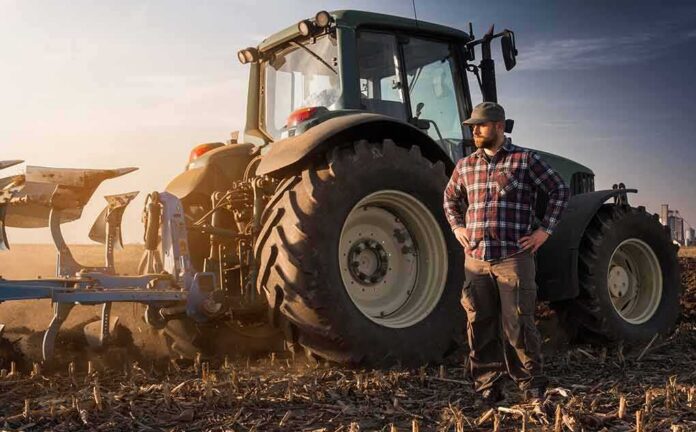
Rising costs for farms, factories, and families are squeezing the Midwest, turning everyday bills into a high-stakes test of policy and pocketbook reality.
Story Highlights
- United States Department of Agriculture forecasts higher farm costs and lower net income in 2026.
- A reported Midwest study ties new tariffs to about $2,000 in extra household costs and slower farm growth.
- Regional coverage cites fuel, groceries, tariffs, and interest rates as top voter pain points.
- Manufacturers facing pricier imported parts cut jobs, including hundreds in Iowa plants.
USDA Forecast Shows Farm Cost Squeeze Across Key Inputs
United States Department of Agriculture economists forecast that net farm income will fall in 2026 even as farm production costs rise. The agency projects net farm income at about $158.4 billion, down from 2025, while total production expenses climb to roughly $492.8 billion. The forecast points to higher spending on livestock purchases, fertilizer, soil conditioners, and fuel as key drivers. Farmers feel the pinch when input prices outpace crop and livestock revenue, and many lack room to absorb new costs without cutting investment.
Higher costs hit family farms first and hardest. When fuel and fertilizer rise, farmers pay more before a seed goes into the ground. When livestock feed and replacement animals cost more, ranchers face thinner margins on every head. Cash flow tightens, and credit lines carry more weight. Those pressures ripple through rural towns. Equipment dealers, co-ops, grain handlers, and local shops rely on farm dollars. When margins shrink, they all feel it. The math is simple, and it lands close to home.
Tariffs, Inputs, And Household Budgets In The Midwest
Regional reporting across the Midwest says families point to fuel prices, grocery bills, tariffs, and interest rates as steady sources of pain. Those same forces burden farms and food makers, which pass some costs on to shoppers. Reported analysis from Iowa estimates that new tariffs raised costs for more than 18 million Midwest households by an average of about $2,000 a year, while slowing agricultural growth across the region. Iowa’s farm economy faced a larger drag than peers, according to that report.
Manufacturing has felt the squeeze from dearer imported parts and materials. The same Iowa report links higher input costs to job cuts, citing about 2,700 lost manufacturing jobs in the state, including nearly 600 positions at a major appliance plant between mid-2025 and early 2026. Food processors warn that steel tariffs lift the price of cans, which can make up as much as 40 percent of a product’s final cost. When packaging jumps, pantry prices do too, hurting families and sales.
How Policy Costs Travel From Factory Floor To Family Table
Tariffs aim to defend American jobs and level the field. But when they raise prices on parts and packaging, some of the bill lands on workers and shoppers. A can of soup needs steel. A washer needs imported components. A tractor needs fuel and fertilizer to be profitable. When each link in the chain pays more, the final price rises. Retailers adjust, companies pause hiring, and families rethink trips, meals, and school costs. The chain reaction shows up in weekly receipts and monthly statements.
Conservatives value strong industry and fair play. They also expect policies to protect families from runaway costs. The current mix shows the trade-off. Some firms may gain breathing room from foreign competition. Yet farms, food processors, and many manufacturers face higher inputs. The United States Department of Agriculture forecast confirms the cost side for agriculture in 2026, while Midwest reports describe higher prices for households and job losses at plants. These facts set the stakes for leaders who promised relief and growth.
What Voters Are Saying And What Leaders Must Do Next
Voters across the region tell reporters they feel squeezed at the pump, at the store, and on their mortgage. They say tariffs add to the pain when paired with fuel and interest costs. That mix blurs party lines and tests patience with Washington. The path forward is clear. Cut needless costs in the supply chain. Speed permits to lower energy prices. Target relief for fertilizer and fuel used on farms. Remove narrow tariffs that raise inputs but do not protect real jobs.
Bottom Line For Midwest Families And Farms
The Midwest runs on work, not wishful thinking. The data and the receipts point the same way. Farmers face higher input bills and thinner income. Families pay more for basics. Some factories cut shifts to keep the doors open. Leaders should protect American industry the smart way: attack red tape, ease energy costs, and focus trade tools on bad actors, not on parts and packaging that feed American jobs. Do that, and the region can grow while keeping faith with working families.
Sources:
es-us.noticias.yahoo.com, dailyherald.com, yahoo.com, midwestfarmreport.com