UN nuclear chief Rafael Mariano Grossi says inspectors will go into Iran’s nuclear sites, but Iran is already pushing back and leaving the public with more questions than answers.
Quick Take
- Grossi said the International Atomic Energy Agency will inspect Iranian nuclear facilities under the new deal.[2]
- Iranian officials have signaled that access to bombed sites may wait for a final agreement.[3][4]
- The agency says it still cannot verify Iran’s stockpile or centrifuge activity without site access.[2][4]
- The dispute shows how fragile Iran talks remain after years of broken trust and weak oversight.[6]
Grossi Says Inspections Will Happen
Grossi told reporters that inspections are “going to take place” and said the agreement clearly puts nuclear material facilities under International Atomic Energy Agency oversight.[2] He added that the timing is not the key issue, saying the visits may come “the day after tomorrow, in one week, or in ten days.” That message matters because the whole deal depends on real access, not just polite statements and diplomatic smoke.
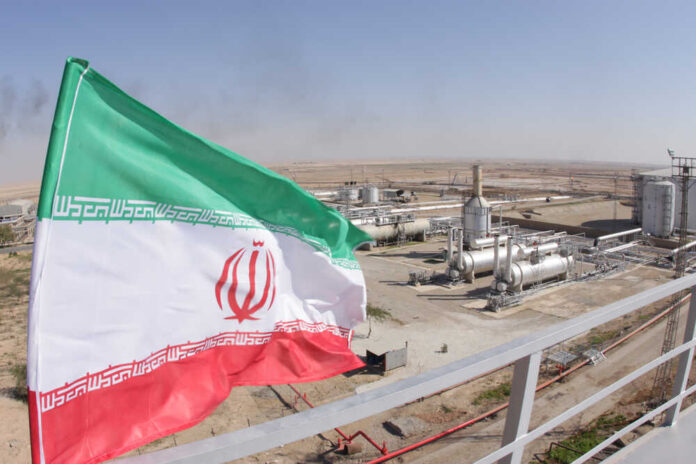
The agency’s position is plain. Without inspectors inside enrichment sites, it cannot confirm the condition of Iran’s uranium stockpile or watch the centrifuge cascades used to enrich it.[2] That is the part that should worry anyone who remembers how often Iran has used delay, denial, and half-steps to keep the world guessing. Verification only works when inspectors can do their job on the ground.
Iran Pushes Back on Access
Iranian officials quickly narrowed the meaning of Grossi’s comments. A spokesman for Iran’s Foreign Ministry said inspectors were slated to visit bombed sites, but only after a final deal, and Iran’s deputy foreign minister said access to attacked facilities would be decided later.[3][4] That is a major gap. If Tehran can delay site visits until after the smoke clears, the agreement loses much of its force.
The tension is not new. Arms Control Association reporting says the International Atomic Energy Agency has long struggled to get credible answers on uranium found at undeclared facilities, and one investigation from 2018 remains open.[6] That history explains why conservatives should not accept vague promises at face value. A regime that hides its work does not suddenly become trustworthy because diplomats announce a fresh understanding in front of cameras.
Why This Fight Matters Now
Grossi’s remarks came after years of stop-and-start nuclear diplomacy, where technical accords often restore access for a short time and then fall apart.[5][7] Iran’s own record shows the same pattern: more demands, more conditions, and less clarity when inspectors ask hard questions. The problem is not just nuclear paperwork. It is whether a hostile regime can keep stretching talks long enough to protect its most dangerous assets.
Trump to "Fox News": There is no urgency in bringing the inspectors into Iran, the American inspectors will go in together with the IAEA inspectors to locate the enriched uranium
— Open Source Intel (@Osint613) June 24, 2026
That is why the next step matters more than the headline. If inspectors really enter the sites, the world will learn whether the new arrangement has teeth or just gives Iran another pause button.[2][6] If access stays limited, the agreement becomes another weak promise wrapped in diplomatic language. For Americans who are tired of empty deals and globalist spin, the standard should be simple: see it, inspect it, verify it.
Sources:
[2] Web – The Cairo Agreement and Prospects for Nuclear Diplomacy With Iran
[3] Web – Iran and U.N. Watchdog Reach Agreement to Resume Nuclear …
[4] Web – IAEA / IRAN AGREEMENT | UNifeed – UN Media
[5] Web – IAEA Investigations of Iran’s Nuclear Activities
[6] Web – [PDF] NPT Safeguards Agreement with the Islamic Republic of Iran
[7] Web – Iran and the International Atomic Energy Agency (IAEA) reached an …