Ukraine’s latest drone barrage on Moscow shows how far the war has pushed into Russian territory, even as casualty counts remain disputed.
Quick Take
- Russian officials said more than 550 Ukrainian drones were shot down overnight, with strikes reported in and around Moscow [1].
- Multiple reports said at least three people were killed and injuries were reported in the Moscow area [1][3].
- Al Jazeera reported damage to apartments, houses, cars, and industrial sites, plus disruption at Sheremetyevo Airport [3].
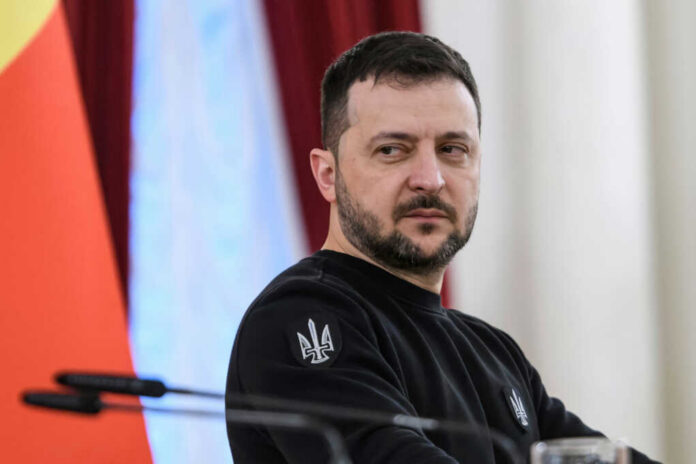
- Ukrainian President Volodymyr Zelensky framed the strike as a meaningful reach into the Moscow region [3].
Attack Hits Moscow Region After Massive Drone Wave
Russian authorities said Ukraine launched one of its largest drone attacks of the war, with the Russian Defense Ministry claiming more than 550 drones were shot down overnight [1]. Reporting from the same event said multiple locations in and around Moscow were hit, including residential areas, and that at least three people were killed [1][3]. The scale of the raid matters because it underscores Ukraine’s ability to reach deep inside Russia despite Kremlin air defenses.
Al Jazeera reported that the attack damaged apartment buildings in the Moscow region, along with houses, cars, and industrial facilities [3]. The report also said drone debris fell on Sheremetyevo Airport, prompting the suspension of hundreds of flights before service largely resumed [3]. For readers tracking the war’s practical effects, the airport disruption is important because it suggests the attack did more than just create noise for television cameras; it forced civilian and transport fallout near a major capital hub.
Damage Claims Remain Hard to Verify Cleanly
The available reporting does not give a clean, fully consistent casualty picture. That inconsistency is exactly why wartime reporting must be handled carefully: combatants want to shape the story, and the public often receives the first version before any hard verification arrives.
Even with that caution, the reporting does show that the strike was not limited to abstract air-defense claims. Al Jazeera said eight apartments in the Potilovo district were damaged, while houses and cars in Istra and Naro-Fominsk were also hit [3]. Other summaries referenced the Kapotnya oil refinery and additional industrial targets [1][4]. Those names matter because they point to an effort to degrade infrastructure, not just to send a political message.
Why the Strike Carries Strategic Weight
Ukrainian President Volodymyr Zelensky described the attack as evidence that “long-range sanctions reached the Moscow region,” a phrase that fits Kyiv’s broader effort to show it can impose costs inside Russia [3]. Russian reports, meanwhile, emphasized interception totals and claimed most of the drones were destroyed before reaching their intended targets [1][3]. Both sides have obvious incentives to frame the event in the most favorable light, which leaves outside observers to separate confirmed damage from wartime spin.
#Breaking ;
#Ukraine carried out a massive overnight drone assault on Moscow and surrounding areas, described by #Russian officials as the biggest attack on the capital in more than a year.Russia’s Defence Ministry said 556 Ukrainian drones were intercepted across the… pic.twitter.com/lFyfya4kPd
— PolicyInsights (@Policyinsts) May 17, 2026
That distinction matters for Americans watching from home. A nation that can launch a large drone raid into the Moscow region has proved it can keep the war pressure high, but the available evidence still leaves open how many drones actually penetrated defenses and how much damage they caused [1][3][4]. The bigger lesson is familiar: in modern war, official claims move fast, verification lags behind, and the truth usually sits somewhere between the most dramatic headline and the most reassuring government statement.
Sources:
[1] YouTube – Ukraine targets Moscow with ‘massive’ drone attack, killing …
[3] YouTube – One of Ukraine’s largest drone attacks kills 3 in Moscow …
[4] YouTube – Ukraine Fires 600 Drones at Russia in ‘Largest Attack in a …