After a deadly Minneapolis shooting involving immigration officers, President Trump is bypassing the usual DHS chain of command and putting Tom Homan in charge on the ground—signaling a major shift in how enforcement will be run. The move, which effectively sidelines DHS Secretary Kristi Noem’s deportation-by-the-numbers strategy, comes amid intense scrutiny following the fatal shooting of 37-year-old nurse Alex Pretti. Homan’s stated priority is targeting the “worst of the worst” criminal illegal aliens, alongside a renewed focus on alleged charity graft tied to Minneapolis’ Somali diaspora.
Story Highlights
- President Trump deployed border czar Tom Homan to Minnesota to lead ICE operations and replace Border Patrol commander Gregory Bovino in the state.
- The move follows intense scrutiny after the fatal shooting of 37-year-old nurse Alex Pretti by immigration officers, with conflicting public narratives and limited confirmed details so far.
- Homan’s stated priority is targeting “worst of the worst” criminal illegal aliens, alongside a renewed focus on alleged graft tied to Minneapolis-area charities linked to the Somali diaspora.
- The shift effectively sidelines DHS Secretary Kristi Noem’s Border Patrol-led, volume-driven strategy, even as Noem publicly praised Homan’s deployment.
- Congressional oversight is escalating, with the House Homeland Security Committee pressing for testimony from senior immigration agency leaders.
Trump Puts Homan in Charge of Minnesota Immigration Operations
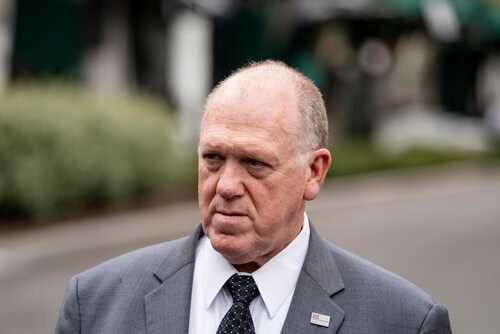
White House spokesperson Karoline Leavitt announced that Trump sent Tom Homan to Minnesota to manage immigration enforcement operations and pursue both removals and fraud investigations. The assignment places Homan—an ICE veteran and Trump’s “border czar”—in a direct operational role rather than leaving the effort under the normal DHS structure. Reporting also indicates Homan replaced Border Patrol commander Gregory Bovino as the administration’s lead for the Minnesota crackdown.
For voters who demanded border enforcement that prioritizes public safety and lawfulness, the details matter: the White House message emphasized criminal targets, not indiscriminate sweeps. That targeted framing is also politically relevant because Minnesota’s enforcement push is unfolding in a highly charged environment, with protests and intense media attention. The administration is now trying to keep operations focused while restoring public trust in how enforcement decisions are made and communicated.
Obama Medal of Freedom recipient Thomas D Homan en-route to Minnesota to take over ICE OPERATIONS.
Trump has given him full authority to restore law and order and at request will provide all resources including military to combat insurgents destroying private property. pic.twitter.com/BmcmqdhPJI
— 0HOUR1 (@0hour1) January 26, 2026
The Pretti Shooting Drives Scrutiny—and Demands for Accountability
The immediate catalyst for the shake-up was the shooting death of Alex Pretti, a 37-year-old nurse, during an encounter with immigration officers in Minneapolis. According to reporting, DHS publicly blamed Pretti, while social media video circulating afterward reportedly showed no weapon being brandished. The same reporting said Pretti had a legal concealed-carry permit. President Trump told The Wall Street Journal the incident was under investigation and did not pre-judge officer protocol.
At this stage, the most important limitation is also the most frustrating one: the available reporting does not provide final investigative findings or a full official evidentiary record explaining why officers fired. That gap matters because the case touches two issues conservatives care about deeply—law enforcement legitimacy and the rights of lawful gun owners. If official messaging contradicts widely shared video, the credibility of federal agencies erodes fast, and the backlash becomes predictable.
Targeted Enforcement vs. Deportation-by-the-Numbers
The Minnesota deployment also exposes a strategic divide inside the administration’s enforcement apparatus. Kristi Noem, as DHS Secretary, has been associated in reporting with Border Patrol-led operations that emphasize deportation volume and metrics. Homan, by contrast, has long argued for prioritizing removals of criminal noncitizens. Leavitt’s statement leaned heavily into that “worst of the worst” language, and the operational decision to elevate Homan effectively signals which approach Trump wants leading this moment.
Noem publicly praised Homan as a “major asset,” according to reporting, even though the chain-of-command implications are difficult to miss. For the public, this looks like an attempt to align the message—tough enforcement plus competence—while tamping down an internal dispute. For conservatives who watched years of border crisis under the prior administration, the core question now is whether the federal government can enforce immigration law in major cities without avoidable mistakes that hand opponents a propaganda victory.
Fraud Allegations Add a Second Front: Charity Graft Investigations
In addition to arrests and removals, Homan’s mission reportedly includes investigating alleged graft tied to charities connected to Minneapolis’ Somali diaspora. The sources do not detail specific charities, charges, or evidentiary findings, so the scope and status of these inquiries remain unclear. Still, the inclusion of fraud work in Homan’s portfolio signals the administration is treating immigration enforcement and financial misconduct as linked problems when taxpayer dollars or charitable networks are suspected of being abused.
This approach fits a basic accountability principle: immigration enforcement is not only about border crossings, but also about whether institutions inside the United States are exploited through fraud, weak oversight, or political protection. If federal investigators can document wrongdoing, prosecutions and restitution can follow. If they cannot, the administration will need to show the public that enforcement resources were deployed based on verifiable leads rather than broad suspicion.
Congress Steps In as the Political Stakes Rise
Congressional scrutiny is increasing alongside the operational changes. Reporting says the House Homeland Security Committee demanded leaders from ICE, CBP, and USCIS testify, reflecting pressure to clarify how enforcement actions are authorized, supervised, and reviewed after critical incidents. Sen. Jim Banks publicly backed Homan, saying no one understands deportations better, underscoring that many immigration hawks see Homan’s leadership as a competence play as much as a toughness play.
For the administration, the next test is simple: produce verifiable results while avoiding preventable controversies that undermine legitimacy. The Minnesota shift suggests Trump wants tighter control, clearer priorities, and a response to public outrage without backing away from enforcing the law. With investigations ongoing and limited confirmed details about the shooting available so far, the political and operational outcome will depend on what the facts show—and whether the agencies involved communicate those facts consistently.
Watch the report: Border czar Homan headed to Minnesota by Trump, as border patrol commander and ICE agents leave
Sources:
- Trump sends border czar Homan to Minneapolis, talks with Walz amid shooting scrutiny
- Tom Homan, border czar, is Trump administration’s new lead on Minnesota immigration crackdown
- Tom Homan: Trump’s border tsar replacing Bovino in Minneapolis
- Controversial Border Patrol chief and some agents expected to leave Minneapolis on Tuesday, sources say | CNN Politics