
Tamara Lich, Freedom Convoy hero, strikes back against Canadian authorities with a lawsuit exposing malicious prosecution and government overreach that echoes deep state abuses south of the border.
Story Highlights
- Tamara Lich files suit against Ottawa Police, Crown prosecutor, and Ontario officials for malicious prosecution over 2022 convoy charges.
- Lawsuit alleges negligent investigation and defends Canadian Charter rights, framing it as a stand for all citizens.
- Grassroots fundraising on GiveSendGo surpasses $19,000 toward $100,000 goal, showing strong public backing.
Lawsuit Targets Key Government Entities
Tamara Lich announced on April 29, 2026, via X that she filed a civil lawsuit in Ontario Superior Court. Defendants include the Ottawa Police Service, its Services Board, two specific detectives, the Crown prosecutor, Ontario’s Attorney General, and His Majesty the King in right of Ontario. The suit claims malicious prosecution and negligent investigation tied to mischief charges from her role in the 2022 Freedom Convoy protests. This action follows resolution of her criminal charges, implied to favor her position.
Tamara Lich to sue Ottawa police, Crown attorney for 'malicious prosecution' – LifeSite https://t.co/S0QUAsfc08
— James Owen Hannon (@OwenHannon87684) May 2, 2026
Roots in Freedom Convoy Crackdown
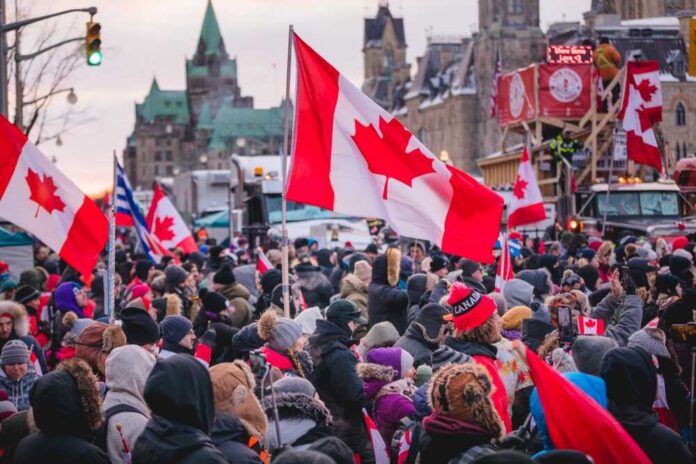
The 2022 Freedom Convoy saw truckers occupy Ottawa for three weeks against federal COVID-19 vaccine mandates for cross-border workers. Authorities invoked the Emergencies Act for the first time in peacetime, leading to mass arrests including Lich’s on mischief charges. Prolonged proceedings ended, enabling her malicious prosecution claim. This case arises amid ongoing legal battles for other organizers like Chris Barber, spotlighting divides over protest rights versus public order.
Lich’s Stand for Broader Rights
Lich states the lawsuit transcends personal gain: “This isn’t just about me; it’s about stopping this kind of abuse so no Canadian ever faces it again.” She positions it as defending the Canadian Charter of Rights and equal rule of law application. Fundraising via GiveSendGo reached over $19,000 from 169 donors by late April 2026, targeting $100,000 for legal costs. This grassroots effort underscores power imbalances between a private citizen and state institutions with prosecutorial immunity precedents.
Defendants maintain their actions upheld public safety during the disruptive blockade, though no official responses appear as of May 1, 2026. Coverage remains niche, absent from mainstream outlets like CBC.
Implications for Accountability and Precedent
Short-term, the suit may pressure settlements or reveal investigative details, boosting morale among convoy supporters. Long-term success could erode prosecutorial discretion, setting precedents like Ousterhout v. RCMP (2023) for police accountability in political cases. Failure might reinforce state immunity. Economic strain hits public resources; socially, it polarizes protest views; politically, it challenges Trudeau’s Emergencies Act legacy.
Americans watching see parallels to frustrations with elite-driven overreach, where government prioritizes control over individual liberties. Both conservatives decrying woke mandates and liberals wary of deep state excesses share concerns over failing institutions. Lich’s fight alerts us to erosions of founding principles like free speech and due process, urging vigilance against similar abuses.
Sources:
Freedom Convoy Organizer Tamara Lich Sues Ottawa Police, Crown for Wrongful Prosecution
Freedom Convoy Organizer Tamara Lich Sues Ottawa Police, Crown for Wrongful Prosecution
Tamara Lich: Lawfare and a Restoration
Tamara Lich to Sue Ottawa Police, Crown Attorney for Malicious Prosecution