
Somaliland’s offer to host U.S. forces at a Red Sea air base and port is forcing Washington to choose between a faster way to squeeze Iran’s proxies and the old habit of letting diplomatic caution dictate strategy.
Quick Take
- Somaliland says the U.S. can use Berbera’s air base and deep-water port, a location positioned near the Bab el-Mandeb chokepoint and Yemen.
- AFRICOM visits and repeated delegations suggest real U.S. interest, even as the State Department maintains it recognizes Somalia’s territorial integrity.
- Supporters argue Berbera could reduce reliance on Djibouti as Houthi-linked threats and Red Sea shipping disruptions persist.
- Critics warn that any move resembling recognition could strain ties with regional partners who oppose Somaliland’s independence.
Berbera’s geography is why this offer is getting attention
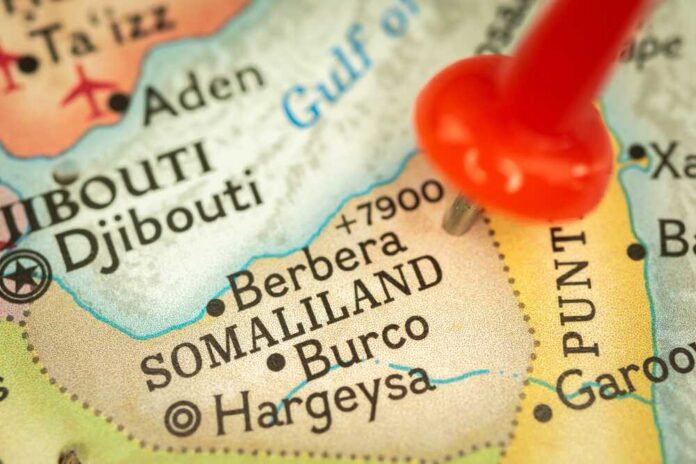
Somaliland, a self-governing breakaway region that declared independence from Somalia in 1991, is again marketing Berbera as a strategic platform for U.S. operations. The pitch centers on two assets: a deep-water port on the Gulf of Aden and an airfield with a notably long runway originally developed for NASA-related use. From Berbera, aircraft and ships can reach the Bab el-Mandeb quickly, a route central to Red Sea commerce and military access toward Yemen.
Somaliland’s timing reflects a regional security climate shaped by Iran-aligned networks and the Houthi campaign against shipping. Reports describe the Houthis as a driving threat to commercial transit through the Red Sea corridor, with ripple effects for global supply chains and energy markets. For U.S. planners, the core question is practical: whether a limited arrangement at Berbera could improve surveillance, basing flexibility, and response time without committing to a large, permanent footprint.
U.S. interest appears real, but recognition is still the hard stop
U.S. policy has not shifted on Somaliland’s legal status. The State Department position remains that Somalia’s sovereignty includes Somaliland, meaning any basing deal must be carefully structured to avoid implying recognition. That said, reported site inspections and recurring AFRICOM delegations to Somaliland’s capital, Hargeisa, point to more than casual curiosity. A prior visit by AFRICOM leadership to the Berbera port and meetings with Somaliland’s president also signals that the Pentagon is mapping options.
That internal tension fits the broader pattern of how Washington often operates: defense officials look for workable solutions while diplomats weigh second-order consequences with allies. It also notes that President Trump previously commented he would consider Somaliland recognition, while the administration’s current posture remains more cautious. For voters who want a government that executes policy efficiently, this is a familiar frustration—opportunities emerge, bureaucratic risk-aversion rises, and adversaries exploit the delay.
Somaliland is offering more than access, and that raises the stakes
Somaliland officials have publicly paired the basing offer with economic incentives, including exclusive access to minerals, as part of a broader push for investment and international legitimacy. That matters because it frames Berbera as more than a temporary contingency site; it becomes a long-term strategic partnership proposal. Somaliland’s message is also political: it argues it has the institutions of a state—its own currency, security forces, and governance—despite lacking broad recognition.
Israel’s reported interest adds another layer. Israel recognized Somaliland first and has looked at the territory for intelligence and potential operational value against the Houthis, alongside mineral considerations. That alignment—U.S. logistics plus Israeli targeting and intelligence—would be viewed by Iran and its proxies as escalation, regardless of the legal language attached. It also describes threats expanding southward, placing Somaliland itself on a growing “threat map,” which could increase risks for local civilians and infrastructure.
The Djibouti factor: basing diversification versus diplomatic blowback
One argument for Berbera is redundancy. The U.S. already operates from Djibouti, but Djibouti is increasingly reluctant regarding certain anti-Houthi sanctions and related pressure campaigns. If that reluctance limits operational freedom, Berbera becomes attractive as an additional node—especially if shipping disruptions intensify. Strategically, it is the same logic businesses apply to supply chains: avoid single points of failure, particularly near chokepoints that adversaries can threaten cheaply.
Somaliland Offers U.S. a Base as Anti-Iran, Anti-Houthis Footholdhttps://t.co/VJtN5p4IxV
— PJ Media (@PJMedia_com) April 13, 2026
The counterargument is political cost. Analysts warn that formal recognition, or anything perceived as moving in that direction, could anger key regional partners who oppose Somaliland’s independence, including countries with leverage over security and energy priorities. This leaves the Trump administration with a familiar tradeoff: act decisively against Iran’s proxy network and strengthen maritime security, or keep policy constrained by coalition management. It does not confirm a final decision, only active courtship and cautious U.S. exploration.
Sources:
Could Somaliland base emerge as US foothold against Iran, Houthis, key sea lanes?
A bone in Iran’s throat: the US and Israel in Somaliland
Somaliland Offers US Access to Military Base, Port
Iran’s proxy war moves south: Somaliland enters the Houthi threat map