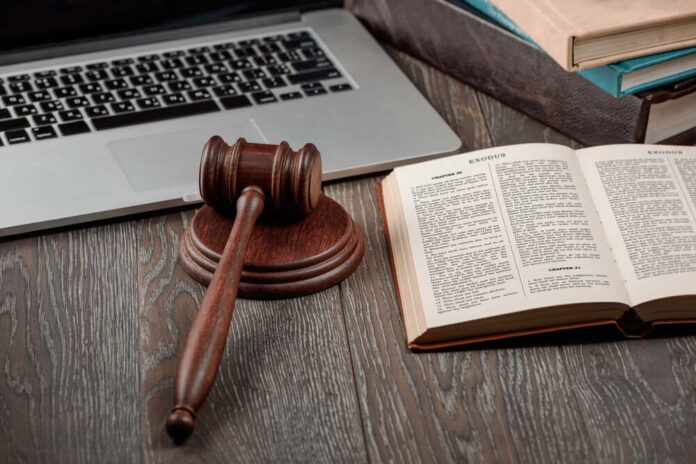
Texas’ new law requiring the Ten Commandments in every classroom is colliding with lawsuits over religious freedom and constitutional rights.
At a Glance
- SB 10 mandates Ten Commandments displays in all Texas classrooms.
- At least 11 districts are exempt under federal court orders.
- Attorney General Paxton ordered immediate compliance for others.
- Civil liberties groups sued, citing First Amendment violations.
- Schools must use private donations to fund the mandated posters.
Texas Mandates Ten Commandments Displays
Attorney General Ken Paxton has directed Texas public schools to enforce Senate Bill 10, requiring the Ten Commandments to be displayed in every classroom starting September 1, 2025. The law specifies the posters must be at least 16 inches wide and 20 inches tall, using a particular Protestant version of the text. Schools are expected to comply without state funding, forcing administrators to rely on private donations.
Watch now: Texas Orders Commandments in Schools · YouTube
The law passed the state legislature in spring 2025 and was signed by Governor Greg Abbott in June. While most schools must prepare for immediate compliance, implementation has been blocked in at least 11 districts due to federal injunctions. Paxton’s directive applies only to schools outside of those districts, but ongoing litigation could expand the number of exemptions.
Legal Challenges and Constitutional Controversy
The law’s opponents argue that mandatory religious displays in classrooms violate the Establishment Clause of the First Amendment. The ACLU of Texas, Americans United for Separation of Church and State, and the Freedom From Religion Foundation have all filed lawsuits challenging SB 10. These groups point to the Supreme Court’s 1980 Stone v. Graham ruling, which struck down similar religious mandates in schools.
Some parents, including practicing Christians, have also joined the litigation, citing concerns over parental rights and the diversity of beliefs among Texas families. They argue that religious instruction should remain a matter of family choice, not government mandate. Supporters of the law, including Republican legislators and religious leaders, counter that the Ten Commandments embody foundational American values, and their presence in classrooms will promote respect and discipline.
Broader Impact Across Texas and Beyond
The law applies to a school system serving approximately 5.5 million students, making the potential reach significant. Administrators face the dual challenge of acquiring privately funded displays while navigating shifting legal risks. The controversy has deepened political divisions in Texas, drawing national attention to broader debates about religion in public life.
Religious communities are split, with some viewing the requirement as a restoration of traditional values, while others warn of state overreach into matters of faith. Civil liberties groups caution that government-mandated displays risk alienating students from minority religious backgrounds and undermine constitutional protections for all.
National Implications and Future Outlook
Legal experts widely regard SB 10 as unconstitutional, with many predicting eventual review by the Supreme Court. If upheld, the law could set a precedent for similar legislation in other states, emboldening conservative lawmakers to push comparable measures. If struck down, it would reaffirm existing limits on religious displays in public schools.
Historians also challenge claims that the Ten Commandments form the foundation of U.S. law, emphasizing the diverse legal traditions—including English common law and Enlightenment principles—that shaped the Constitution. The legal fight now unfolding in Texas may determine how far states can go in promoting religious texts within public institutions. Regardless of outcome, the case highlights enduring tensions between tradition, faith, and constitutional governance in American classrooms.
Sources
Texas Policy Research
ACLU Texas
Texas Tribune
LegiScan