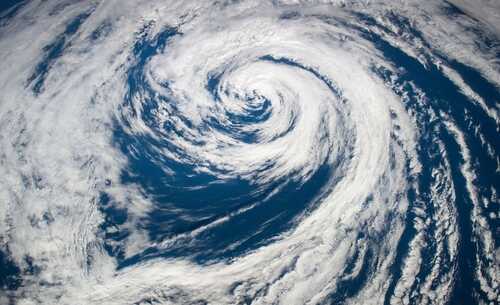
Typhoon Kalmaegi, which rapidly intensified into a major cyclone by November 3, 2025, made six rapid landfalls across the central and southern Philippines on November 4. The storm resulted in widespread torrential rains, extensive flooding, infrastructure damage, and significant disruption. Current casualty figures confirm 48 fatalities and 28 individuals reported missing.
Story Highlights
- Typhoon Kalmaegi, locally designated as Typhoon Tino, resulted in at least 48 confirmed deaths and 28 missing persons across multiple Philippine islands.
- The storm struck Southern Leyte, Cebu, Negros Occidental, Guimaras, Iloilo City, and Palawan with six rapid landfalls on November 4.
- Extensive flooding and strong winds caused infrastructure damage and displacement in densely populated areas.
- Thousands of residents have been displaced, and rescue and relief operations are being managed by government agencies.
Multiple Landfalls Impact Philippine Islands
Typhoon Kalmaegi rapidly intensified from a tropical depression on October 31 to a typhoon by November 3, becoming the 12th typhoon of the 2025 season. The storm’s strength was attributed to warm Pacific waters and favorable atmospheric conditions. Philippine authorities tracked the storm as it entered their area of responsibility, noting its rapid strengthening before impact.
The storm’s path included six landfalls on November 4, striking Southern Leyte, Cebu, Negros Occidental, Guimaras, Iloilo City, and Palawan in rapid succession. This sequence of landfalls contributed to the intensity of the damage, bringing renewed heavy rainfall and strong winds to coastal communities. The low-lying island regions, in combination with existing river systems, experienced widespread flooding following the impacts.
UPDATE: At least 48 people have died and thousands displaced as Typhoon Kalmaegi (TinoPH) triggered devastating floods across the central Philippines.
Entire towns in Cebu were submerged, with vehicles and debris swept away by floodwaters.
Local officials report 48 deaths… pic.twitter.com/1xyk8ZcAEL
— Volcaholic 🌋 (@volcaholic1) November 4, 2025
Assessment of Human and Economic Impact
Official figures report at least 48 confirmed deaths, with 28 people currently listed as missing. Officials anticipate that casualty numbers may increase as rescue teams gain access to all affected areas. The storm has displaced thousands of residents who lost homes and livelihoods due to the flooding and wind damage. Infrastructure damage includes washed-out roads, collapsed bridges, and widespread power outages that continue to challenge relief efforts across the impacted provinces.
Economic damage is also being assessed, with prolonged recovery periods anticipated for damaged infrastructure, agricultural lands, and businesses. Local farmers and fisherfolk reported crop and equipment losses, and transportation networks remain severely compromised. The disruption to utilities has left entire communities without power or clean water, creating immediate humanitarian needs that require extensive government and aid coordination.
Context on Storm Formation and Disaster Response
Meteorologists indicate that Kalmaegi’s formation pattern aligns with broader Pacific weather trends that support rapid storm intensification through high sea surface temperatures. The Philippines’ location in the western Pacific typhoon belt makes the islands highly susceptible to intense cyclones. This event follows previous severe storms, including Typhoon Haiyan (2013) and Typhoon Odette (2021).
The government’s centralized disaster response, managed through the National Disaster Risk Reduction and Management Council, is currently overseeing rescue operations. International aid organizations are mobilizing humanitarian assistance, though access to some areas remains restricted by debris and flood conditions, which complicate relief distribution efforts.
Watch the report: Typhoon Kalmaegi Devastates Philippines — Death Toll Climbs to 40
Sources:
At least 48 dead in Cebu, thousands stranded in central Philippines due to ‘Tino’ | ABS-CBN News
Typhoon Kalmaegi leaves 26 dead, people trapped on roofs, cars submerged – ABC News