

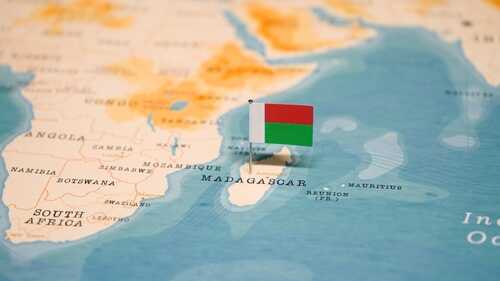
In late September 2025, Madagascar’s President Andry Rajoelina departed the country on a French military aircraft following a mutiny by the elite CAPSAT military unit and widespread anti-government protests. This event, which culminated in a coup d’état, has led to a significant shift in the nation’s political landscape.
Story Highlights
- President Rajoelina of Madagascar leaves the country after a military coup.
- The elite CAPSAT military unit mutinies, echoing its role in 2009.
- Protests initially over basic services expand to demands for systemic change.
- French military involvement raises questions regarding international intervention.
Madagascar’s Political Developments: A Recurrence of Past Events
The recent political upheaval in Madagascar saw President Andry Rajoelina leave the country after the CAPSAT military unit sided with public protests against his administration. This situation bears similarities to the 2009 coup that brought Rajoelina to power, which also involved CAPSAT.
The unrest began in late September 2025, primarily due to severe water and power shortages in major cities, including the capital, Antananarivo. These initial protests quickly evolved into broader anti-government demonstrations. Clashes with security forces resulted in at least 22 fatalities. Despite government attempts to address the situation through reshuffling, including the removal of the energy minister and dissolution of the prime minister’s cabinet, the protests continued.
Madagascar president Rajoelina was airlifted out yesterday by French military forces. The continued youth and worker uprising, which led to a rebellion within the armed forces, pushed him out. The masses have won, they should remain vigilant of political cooptation. pic.twitter.com/dukkZ2nERk
— Jorge Martin ☭ (@marxistJorge) October 13, 2025
Military’s Influence on Political Transitions
The defection of the CAPSAT unit marked a critical turning point, as it took control of central Antananarivo and subsequently asserted authority over all military forces. This development highlights the significant role the military has historically played in Madagascar’s political transitions, often overshadowing civilian governance. The appointment of military general Ruphin Zafisambo as the new prime minister further consolidates the military’s power.
International actors, particularly France, appear to have been involved in the background. Rajoelina’s departure on a French military aircraft suggests either international acceptance or active participation, indicating the geopolitical interests at play. France’s actions may be motivated by a desire for regional stability or the protection of foreign investments.
Future Outlook and Ongoing Unrest
With the military now in control, Madagascar faces a period of political uncertainty. Citizen protests persist, with demands for accountability and systemic reforms. The potential for continued unrest remains high, particularly if the military does not address underlying issues such as corruption, poverty, and inadequate basic services.
The current situation not only affects the political environment but also disrupts economic activity and foreign investment, especially in sectors like tourism and mining. The people of Madagascar continue to advocate for a more accountable and effective government.
Watch the report: Madagascar’s president says he fled the country in fear for his life
Sources:
- Wikipedia, “2025 Malagasy protests”
- Madagascar military says it seizes power, suspends institutions | Politics News | Al Jazeera
- Madagascar’s president says he fled the country in fear for his life after military rebellion
- Madagascar military says it seizes power, suspends institutions | Politics News | Al Jazeera