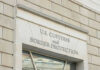
A Colorado appeals court just drew a sharp constitutional line: judges can punish crimes, but they can’t add prison time because they dislike a defendant’s political speech.
Quick Take
- The Colorado Court of Appeals upheld former Mesa County Clerk Tina Peters’ felony convictions but ordered her to be re-sentenced.
- The court found the trial judge improperly relied on Peters’ protected speech about 2020 election-fraud allegations when deciding how long to imprison her.
- The ruling underscores a core First Amendment principle: beliefs and political advocacy are protected, while deceitful conduct and security breaches can still be punished.
- Peters remains incarcerated under the original sentence until a new sentencing hearing occurs; the timeline is not yet public.
Appeals Court Upholds Convictions but Rejects Speech-Based Sentencing
Colorado’s Court of Appeals upheld Tina Peters’ convictions stemming from a 2021 breach of Mesa County’s election system, but it vacated her nearly nine-year prison sentence and ordered a new sentencing hearing. The panel concluded the trial judge crossed a constitutional boundary by using Peters’ protected public statements about alleged election fraud as a reason to increase punishment. The decision preserves the jury’s verdict while forcing the state to redo the penalty phase.
The case centers on what Peters did as clerk, not what she believed. Prosecutors proved she facilitated unauthorized access to election equipment during a trusted software update by misrepresenting an outsider, Conan Hayes, who used the alias “Gerald Wood,” as a county employee. A Mesa County jury convicted her in 2024 on multiple felony counts tied to influencing public servants and misconduct in office. The appeals court left those convictions intact, emphasizing conduct remains punishable.
What the Trial Judge Said—and Why It Matters Constitutionally
The resentencing order flows from the sentencing judge’s commentary, which included harsh characterizations of Peters’ continued claims about election fraud. According to the appeals ruling, the judge’s reasoning treated Peters’ public advocacy as a justification for a longer sentence, even though political speech—however misguided or unpopular—is generally protected. The appeals court’s message is straightforward: courts can weigh remorse and risk, but they cannot penalize protected viewpoints.
This distinction matters beyond one defendant because sentencing is where government power becomes most personal: years of someone’s life. Americans across the political spectrum can recognize the danger in allowing judges to add time for speech they find “damaging,” especially in high-temperature political cases. The ruling does not excuse a security breach or deception by a public official, but it warns that punishment must track proven criminal conduct rather than a defendant’s rhetoric after the fact.
Election Integrity vs. Free Speech: A Tension Both Sides Can See
Peters’ supporters have framed the case as political retaliation for questioning elections, while state officials argue the prosecution targeted rule-breaking that put secure systems at risk. The appellate decision threads that needle by affirming Colorado’s ability to prosecute deceptive actions—like impersonation-related conduct and violations of election security rules—while also enforcing the First Amendment guardrail that protects even provocative election criticism. That balance is essential if the public is to trust both elections and courts.
What Happens Next: Resentencing, Possible Clemency, and Remaining Unknowns
Peters will return to court for resentencing, but the record available so far does not provide a firm date or indicate what the new sentence will be. Colorado Attorney General Phil Weiser has maintained the original punishment was fair based on “criminal conduct,” while Peters’ attorney John Case has argued the ruling validates the right to criticize election systems. Governor Jared Polis has signaled he is considering clemency, adding another political flashpoint to an already polarizing saga.
For voters who believe the system too often protects insiders, the development cuts in two directions. The convictions staying in place reinforce that public officials are not above rules meant to protect elections. The sentence being tossed, however, reinforces the fear that institutions sometimes punish dissenting speech when politics get heated. The appeals court’s remedy is narrow but important: it insists that even unpopular views cannot become a sentencing enhancement.
Sources:
Tina Peters to be re-sentenced after appeals court finds issue with free speech rights
Colorado Court Orders Resentencing for Former County Clerk in Election Fraud Scheme
24CA1951-PD (Colorado Court of Appeals opinion PDF)
Tina Peters appeal (Colorado Public Radio)