President Trump’s off-the-cuff Pearl Harbor quip to Japan’s prime minister exposes a bigger fight in wartime leadership: whether America prioritizes operational surprise or allied comfort.
Story Snapshot
- President Trump referenced Pearl Harbor during a March 19 Oval Office meeting with Japanese Prime Minister Sanae Takaichi while defending secrecy around U.S. strikes on Iran.
- The remark came after a journalist pressed Trump on why allies like Japan were not given advance notice of Operation Epic Fury.
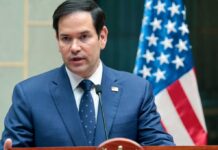
- Administration officials present included Vice President JD Vance, Secretary of State Marco Rubio, and Secretary of War Pete Hegseth.
- Reporting indicates Operation Epic Fury’s early results were credited to surprise, while the Pentagon is seeking major additional funding from Congress.
What Trump Actually Said—and Why It Landed Awkwardly
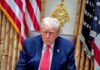
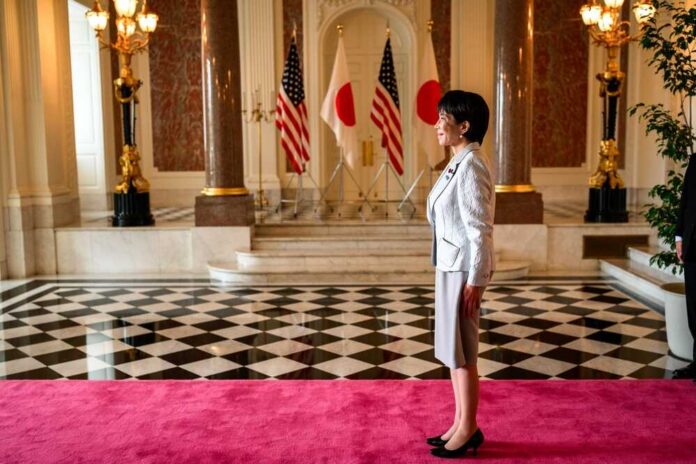
President Donald Trump met Japanese Prime Minister Sanae Takaichi in the Oval Office on March 19, 2026, with the Iran conflict dominating the agenda. When a reporter asked why allies such as Japan were not warned ahead of U.S. strikes, Trump defended secrecy by leaning into shock value: “We wanted surprise,” then adding, “Who knows better about surprise than Japan? Why didn’t you tell me about Pearl Harbor?” Accounts of the moment described Takaichi reacting visibly, including widened eyes and shifting in her seat.
That exchange matters because it joins two realities that don’t always coexist comfortably: the gravity of World War II history and the rough edges of modern presidential messaging. Pearl Harbor is not an abstract reference for Americans; it was Japan’s surprise attack on December 7, 1941, that killed 2,390 Americans and drew the United States into World War II. The alliance between the U.S. and Japan today is strong, but the history remains sensitive, and the reporting did not indicate any detailed public response from Takaichi beyond the visible reaction.
Operation Epic Fury and the Administration’s Case for Secrecy
Operation Epic Fury began February 28, 2026, with the Trump administration casting Iran as a “serious threat” and arguing the campaign is intended to make the world safer. By March 19, the operation had reached day 20, and reporting emphasized the administration’s claim that surprise played a major role in early success, including a statement that more than half of targets were hit in the first two days. U.S. Navy F/A-18 Super Hornets also supported the operation from the USS Abraham Lincoln starting March 3.
The logic Trump signaled in the Oval Office was straightforward: forewarning allies can increase political coordination, but it can also raise the risk of leaks, delayed action, or lost tactical advantage. The sources provided do not detail what specific notice protocols were used with allies, which limits any definitive conclusions about whether Japan was treated differently than other partners. Still, the public framing was clear: operational surprise was presented as a feature, not a flaw, of the opening phase of the campaign.
Alliance Management vs. America-First War Decisions
Japan is one of America’s most important allies in the Indo-Pacific, and the optics of the Oval Office moment highlight a recurring tension in U.S. foreign policy: allies want consultation, while the U.S. retains final say over how it fights and when it strikes. Reporting noted that the remark occurred with senior U.S. officials in the room, underscoring that this was not a low-level diplomatic exchange. The sources also suggest Japanese leaders and citizens were confused about the lack of advance notice, though specifics were not fully documented.
From a conservative perspective, the core issue is not whether allies deserve respect—they do—but whether America should ever outsource its security decisions to international expectations. The research indicates the administration’s public rationale is that secrecy increased effectiveness early in the operation. If that is accurate, critics may still argue the comment was undiplomatic, but the underlying operational argument is rooted in wartime reality: surprise can save lives, shorten conflicts, and reduce the window for adversaries to prepare.
Funding Pressure and What Comes Next
The diplomacy also lands amid large fiscal stakes. Reporting says the Pentagon is seeking $200 billion from Congress to support the war effort, a request that will inevitably collide with broader concerns about federal spending and accountability. The sources further tie the conflict environment to global economic strains, including a Strait of Hormuz shipping crisis, which can ripple into energy prices and household costs. Those details were not exhaustively explained in the research, but they frame why the administration is trying to present the campaign as decisive and results-driven.
What is clear is that Trump’s comment injected WWII symbolism into a modern war briefing, ensuring that messaging—alongside missiles and budgets—will remain part of how this conflict is judged at home and abroad.
Sources:
Trump jokes about Pearl Harbor in meeting with Japanese PM