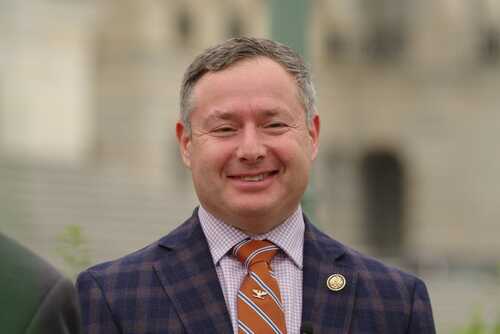
A Democratic congressman with insider knowledge of Donald Trump’s classified communications is demanding the release of a 2019 call transcript with Saudi Arabia’s Crown Prince Mohammed bin Salman, claiming Americans will be “shocked” by what the President said after the murder of journalist Jamal Khashoggi. The request comes from Congressman Eugene Vindman, a former National Security Council lawyer, who described the conversation as one of only two “most problematic” calls he reviewed during Trump’s first term—the other being the Ukraine call that led to the first impeachment.
Story Highlights
- Congressman Eugene Vindman demands Trump release transcript of 2019 call with Saudi Crown Prince Mohammed bin Salman following Khashoggi’s murder
- Former NSC lawyer claims call was one of only two “most problematic” he reviewed during Trump’s first term, alongside the Ukraine call that led to impeachment
- Vindman warns Americans and the Khashoggi family will find the contents “shocking” and questions what other controversial foreign leader conversations remain hidden
- Demand follows Trump’s recent public defense of MBS in the Oval Office, reigniting concerns about accountability for the journalist’s death
Former NSC Insider Breaks Silence on Classified Call
Congressman Eugene Vindman delivered pointed remarks on the House floor on November 19, 2025, demanding that President Trump release the transcript of a 2019 telephone conversation with Saudi Crown Prince Mohammed bin Salman. Vindman, who served as a lawyer on Trump’s National Security Council during his first administration, reviewed the controversial call and characterized it as deeply problematic. His demand came one day after Trump publicly defended MBS in the Oval Office, prompting the former NSC official to break his silence about the classified communication.
You know about Trump and Zelesnky’s call, but have you heard about the call between Trump and the Saudi Crown Prince?
Watch my statement below. @POTUS, release the transcript. pic.twitter.com/UHltH8srdO
— Congressman Eugene Vindman (@RepVindman) November 19, 2025
Troubling Parallels to Ukraine Impeachment Call
Vindman identified the Trump-MBS call as one of only two “most problematic” conversations he reviewed during his NSC tenure, the other being the Trump-Zelenskyy call that led to Trump’s first impeachment. This comparison raises serious questions about presidential conduct in foreign communications, particularly given that the Ukraine call involved Trump pressuring a foreign leader for political gain. Vindman’s firsthand knowledge of both calls gives his assessment significant credibility, as he previously testified during the impeachment proceedings about Trump’s inappropriate communications with foreign leaders.
Accountability Demands Meet Presidential Resistance
The demand for transcript release highlights the ongoing tension between congressional oversight and presidential prerogative regarding classified communications. Vindman stated “The American people and the Khashoggi family deserve to know what was said on that call. If history is any guide, the receipts will be shocking.” Trump’s administration has shown no indication of complying with the transparency demand, likely citing executive privilege and national security concerns. This resistance follows a pattern of the current administration limiting congressional access to sensitive presidential communications with foreign leaders.
Strategic Relationship Versus Human Rights Accountability
The controversy exposes the fundamental conflict between maintaining strategic partnerships and holding foreign leaders accountable for human rights violations. Saudi Arabia’s geopolitical importance to U.S. Middle East policy, including counterterrorism operations and regional stability, creates strong incentives for diplomatic discretion. However, Khashoggi’s murder represents a clear case where American values regarding press freedom should override strategic considerations. U.S. intelligence agencies assessed that MBS was responsible for ordering the journalist’s killing, making any presidential communication defending or excusing the crown prince particularly troubling.
Constitutional Oversight Under Attack
Vindman concluded his remarks by questioning whether additional problematic foreign leader conversations remain hidden, suggesting a broader pattern of inappropriate presidential communications. This raises critical questions about institutional safeguards and congressional oversight authority when presidents conduct potentially damaging negotiations with authoritarian regimes. The outcome of this transparency demand will establish important precedents for presidential accountability in Trump’s second term and signal whether mechanisms exist to compel disclosure of sensitive communications that may compromise American values or interests.
Sources:
Press Release: Vindman Calls for Release of Trump-Saudi Call Transcript After Khashoggi Murder