
Israel’s election watchdogs say the vote wasn’t “systematically compromised,” even as Likud alleges cash-for-votes, threats, and banned tech swung key races.
Story Snapshot
- Likud alleges bribery, intimidation, ballot fraud, and illegal mobilization tools in Arab-led party strongholds.
- Police and election officials say they see no proof of a “stolen” election or systemic breaches so far.
- Shin Bet framed probes as narrow, while Ra’am’s leader vowed to cooperate and denied wrongdoing.
- Turnout in Arab communities reportedly surged to about 80%, with Arab parties near 19 seats.
What Likud Says Happened and Why It Matters
Likud claims Arab-led parties used cash, threats, and ballot tricks to tilt the 2026 vote. The party says it handed “hundreds of testimonies and pieces of evidence” to police and the Central Elections Committee, citing envelopes of cash, repeat voting, fake identities, and prohibited software that drove turnout operations. Likud argues these actions changed outcomes in close districts. The party demands a full criminal probe and swift election audits to restore public trust in the results.
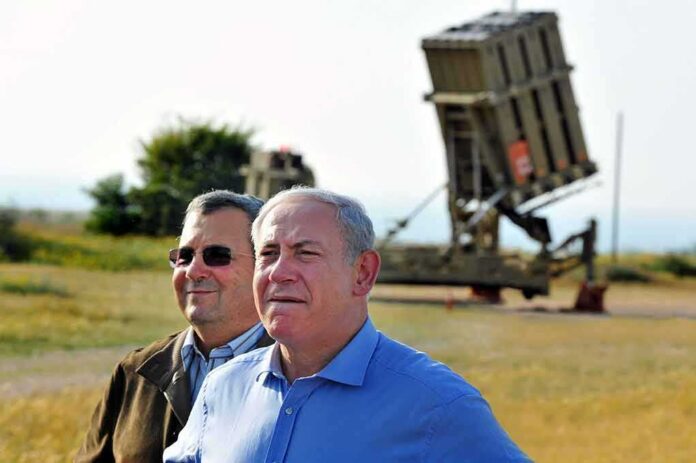
Prime Minister Benjamin Netanyahu amplified the claims, saying the election was “stolen” and pressing security agencies to act. The allegations arrived as preliminary counts showed no clear majority and unusually strong results for Arab parties. That timing raised the stakes. If proven, the charges could affect seat allocations and coalition math. If not, they risk deepening a bitter rift between communities and parties that must still bargain to form a government.
What Authorities Have Found So Far
Israeli police said they lack investigative or intelligence evidence that Arab parties stole the election. The Central Elections Committee reported no basis for claims of systemic harm to election integrity and said the vote was not “systematically compromised”. Officials did note probes into fraud complaints and some arrests tied to alleged voter bribery in the south, but they have not linked these incidents to broad manipulation that could shift national results.
Israel’s domestic security service, Shin Bet, described its inquiry as focused on specific individuals, not entire communities. That message aimed to keep tensions from boiling over while allowing checks to continue. Ra’am leader Mansour Abbas denied any role in bribery and pledged cooperation with law enforcement to establish the facts. His statement underscored that some accused parties intend to contest the claims in full public view.
Turnout Surge and the Coalition Puzzle
Arab and Palestinian turnout reportedly jumped from about 50 percent in 2022 to roughly 80 percent in 2026, helping Arab parties approach 19 seats, according to media tallies and early projections. Higher turnout can flip close districts even without fraud. That is why identifying illegal votes versus legal mobilization is crucial. Big surges can be normal in high-stakes years, but they can also mask targeted abuses if watchdogs do not verify rolls, observers, and chain-of-custody records.
Election disputes are not new in Israel. Past fights often revealed local violations, not national-scale tampering. The hard question is volume: Were problems so widespread and concentrated that they changed seat counts? Officials say they have not seen proof of that threshold. Likud says it has evidence and wants a full review. The answer will shape whether parties accept results, join talks, or push for recounts, audits, or even legal challenges.
What Conservatives Should Watch Next
Investigators need to test four areas fast: verified chain-of-custody for ballots, voter roll integrity, digital tool legality, and any cash-for-votes network. Police say irregular incidents were few, but even small clusters can swing razor-thin mandates. Transparent reporting, public logs, and court-backed steps will steady trust. If misconduct is proven, charges should follow. If not, leaders should affirm the count and move on to governing under the rule of law.
Americans know that faith in elections anchors freedom. Strong turnout is good; clean turnout is vital. Conservatives back both: maximum lawful participation and zero tolerance for fraud. Israel’s institutions must show their work. Clear facts, not spin, will cool tempers. Until then, readers should track official updates, not rumors. The stakes are high: coalition math, regional security choices, and the message democracies send about how to settle close, heated contests—by evidence and the Constitution’s equivalents, not by force.
Sources:
reuters.com, timesofisrael.com, axios.com, independent.ie, yahoo.com, ynetnews.com, lemonde.fr, thehill.com, newarab.com