
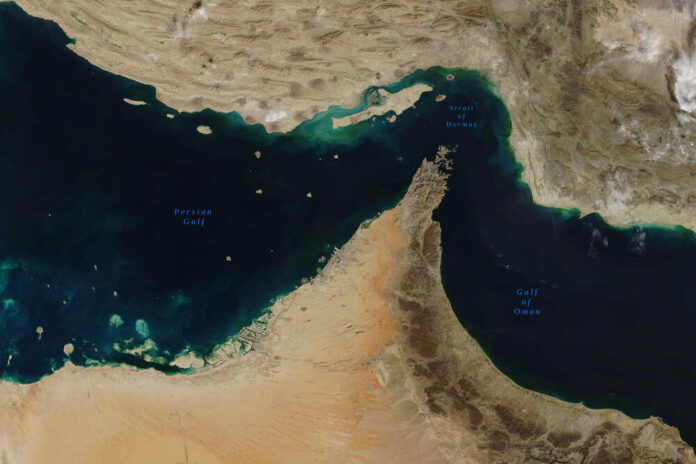
US Navy jets precisely disabled three Iranian tankers attempting to breach the blockade in the Gulf of Oman, proving defiance comes at a high cost amid fragile peace talks.
Story Snapshot
- US forces halted M/T Hasna, Sea Star III, and Sevda after repeated warnings ignored, using non-lethal strikes on rudders and smokestacks.
- Over 50 commercial vessels redirected, showcasing effective US naval enforcement without sinking ships or casualties.
- Blockade pressures Iran’s economy while US 14-point peace proposal advances diplomacy.
- Carrier-based F/A-18 Super Hornets from USS Abraham Lincoln and USS George H.W. Bush demonstrated superior precision and professionalism.
US Navy Enforces Blockade with Precision Strikes
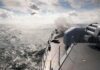
US Central Command reported that on May 6, an F/A-18 Super Hornet from the USS Abraham Lincoln fired 20mm cannon rounds at the rudder of the Iranian-flagged M/T Hasna in international waters of the Gulf of Oman. The tanker ignored multiple warnings as it headed toward an Iranian port. No crew casualties occurred, and the vessel stopped without sinking. This action upheld the US naval blockade imposed to enforce sanctions and protect global shipping lanes through the Strait of Hormuz chokepoint, vital for 20% of world oil trade.
Two More Tankers Disabled in Swift Follow-Up
On May 8, F/A-18s from the USS George H.W. Bush targeted the smokestacks of M/T Sea Star III and M/T Sevda with precision munitions. These unladen oil tankers also disregarded warnings while approaching Iranian ports. CENTCOM released video footage confirming the strikes immobilized the ships effectively. Admiral Brad Cooper emphasized the forces’ commitment to full enforcement using highly trained personnel, signaling resolve without unnecessary escalation.
Broader Context of Blockade and Diplomacy
The incidents follow skirmishes on May 7-8, where US destroyers repelled alleged Iranian missile, drone, and boat attacks. Over 50 commercial ships have turned back, avoiding Iran routes due to US pressure and economic incentives. The blockade isolates Iran’s oil exports, straining its economy amid sanctions. President Trump’s administration pairs this deterrence with a 14-point peace proposal under Iranian review, demanding sanctions relief, force withdrawals, and an end to hostilities including Israeli operations.
Strategic Implications for Global Energy and Security
These precise, non-lethal disables reinforce US naval dominance and deter blockade runners, echoing 1980s Tanker War precedents but with modern technology minimizing risks. Global shipping faces higher insurance and freight rates from reroutes, while oil markets remain volatile. Iran accuses US provocation, but facts show ignored warnings justified the response. This enforcement protects American interests, counters years of Iranian aggression, and pressures Tehran toward a deal that prioritizes peace through strength.
Iranian Ships Try to Run US Blockade in Gulf of Oman, Find Out That Is a Bad Ideahttps://t.co/7jfrTpCYrx
— RedState (@RedState) May 8, 2026
Economic and Political Pressures Mount on Iran
Iranian crews remain stranded on disabled vessels, repairable but adrift, highlighting vulnerabilities against US air and naval superiority. Commercial shipping complies broadly, adopting AIS tracking for US verification. Domestically, Iran grapples with revenue losses fueling public discontent. The actions underscore a return to America First policies, rejecting globalist appeasement and ensuring energy security against regimes threatening allies like Israel and Gulf partners.
Sources:
UPI coverage on US-Iran ships in Gulf of Oman
U.S. Disables 2 More Vessels Violating Blockade in Gulf of Oman (CENTCOM)
US Forces Disable Vessel in Gulf of Oman Attempting to Violate Blockade (CENTCOM)
US Disables Two More Vessels Violating Gulf of Oman Blockade (Investing.com)