
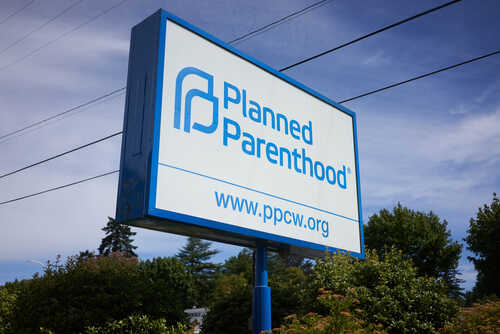
Planned Parenthood could face a massive $1.8 billion penalty in a Medicaid fraud lawsuit that threatens to fundamentally reshape the battle over taxpayer funding for abortion providers in America.
Story Snapshot
- The 5th Circuit Court of Appeals is weighing whether Planned Parenthood must repay up to $1.8 billion in Medicaid funds received after state disqualification orders.
- The case began after undercover videos in 2015 sparked allegations of illegal fetal tissue sales and led Texas and Louisiana to revoke Planned Parenthood’s Medicaid eligibility.
- A ruling against Planned Parenthood could set a powerful precedent for holding organizations accountable for alleged misuse of taxpayer dollars.
- The outcome could cripple Planned Parenthood financially and embolden further challenges to abortion providers nationwide.
Massive Medicaid Fraud Case Jeopardizes Abortion Giant
The U.S. 5th Circuit Court of Appeals is now considering a high-stakes Medicaid fraud lawsuit that could force Planned Parenthood to repay up to $1.8 billion to taxpayers. The case centers on claims that Planned Parenthood affiliates in Texas and Louisiana continued to receive Medicaid reimbursements after those states attempted to disqualify them, following explosive allegations of illegal fetal tissue sales. The lawsuit, brought by an anonymous whistleblower and the state of Texas under the False Claims Act, argues that Planned Parenthood knowingly accepted funds while ineligible, even as court injunctions temporarily allowed payments to continue.
This unprecedented potential liability comes after a decade of legal and political battles. In 2015, undercover videos by activist David Daleiden sent shockwaves through the nation, allegedly showing Planned Parenthood officials discussing the sale of fetal tissue. Outrage from pro-life Americans and state lawmakers prompted Texas and Louisiana to move swiftly to end Planned Parenthood’s participation in Medicaid. However, a series of court injunctions allowed the organization to keep receiving taxpayer funds while the legal challenges played out. Only in 2020 did the 5th Circuit uphold the states’ right to disqualify Planned Parenthood, setting the stage for the current whistleblower lawsuit.
Appeals court hears Medicaid fraud case that could cost Planned Parenthood $1.8 billion https://t.co/3FT9y35xXc #FoxNews
— Joni Myers (@JoniMyers18) September 27, 2025
Legal Arguments and National Stakes
The core legal issue before the appeals court is whether funds received under court injunctions must be repaid if the injunction is later overturned and the provider is found ineligible. This question is uncharted territory, as the False Claims Act has never been applied to Medicaid payments authorized by court order. Planned Parenthood’s defense argues it acted in good faith based on those injunctions, while the plaintiffs assert that taxpayer dollars were misused from the moment the states declared the organization ineligible. The outcome could set a sweeping precedent affecting not just Planned Parenthood, but every Medicaid provider in America that operates under similar legal uncertainty.
For pro-life advocates and fiscal conservatives, this case represents a long-overdue opportunity to hold Planned Parenthood accountable for alleged fraud and to protect the integrity of taxpayer funds. The scale of the potential penalty threatens the very existence of one of the nation’s most controversial organizations, which some see as a necessary step toward restoring respect for life and fiscal responsibility. Pro-life groups have called the case an “existential threat” to Planned Parenthood, while the organization and its supporters label it a politically motivated attack that would deny healthcare to vulnerable populations.
Potential Impact on Taxpayers, Healthcare, and the Law
If the court rules against Planned Parenthood, the organization faces a financial crisis that could lead to widespread clinic closures, job losses, and a dramatic reduction in abortion access. While Planned Parenthood and its allies warn of devastating effects on women’s health, critics counter that no organization should be immune from accountability when billions of taxpayer dollars are at stake. The case’s outcome will not only determine the fate of Planned Parenthood, but could embolden further legal action against abortion providers and reshape how courts interpret the False Claims Act in healthcare.
Beyond Planned Parenthood, the ruling may trigger increased scrutiny of all Medicaid providers, ensuring that eligibility standards are enforced rigorously and that similar legal loopholes cannot be exploited. The decision is also likely to intensify the national debate over public funding for abortion providers, family values, and the proper stewardship of taxpayer resources—core concerns for millions of American families frustrated by years of government overreach and lack of accountability.
Awaiting a Landmark Decision
Oral arguments were heard by the full 5th Circuit on September 25, 2025, and the nation now awaits a decision that could have seismic effects on the legal, political, and cultural landscape. If the court finds Planned Parenthood liable, the exact amount of damages will be determined in a lower court, but the precedent for future Medicaid and healthcare fraud cases will be firmly set. The stakes could not be higher for constitutional protections, fiscal discipline, and the fight to restore trust in America’s institutions.
As the Biden era of unchecked spending and leftist policies gives way to renewed calls for accountability and traditional values under President Trump, this case stands as a test of whether justice—and common sense—will finally prevail in the use of American taxpayer dollars.
Watch the report: Court rules Trump administration can block Medicaid funding to Planned Parenthood
Sources:
Appeals court hears high-stakes case: Planned Parenthood Medicaid funds — Fox News, Sep 25, 2025
Doe v. Planned Parenthood, 5th Cir. 2025 — Justia Law