
New York City’s plan to cap liquor stores is igniting a fierce fight between public health advocates and defenders of small business and personal freedom.
At a Glance
- NYC Health Department links liquor store density to higher cancer rates.
- Mayor Adams endorses a cap on new alcohol licenses.
- Small business owners and trade groups warn of economic harm.
- Legislative approval from City Council and state may be required.
Health Risks and the Adams Push
The New York City Department of Health has rolled out a report urging restrictions on alcohol retailer density, highlighting research connecting high concentrations of liquor stores with increased alcohol consumption and cancer cases. The Department emphasizes the disproportionate impact on low-income and minority communities, where alcohol-related illnesses remain higher than citywide averages.
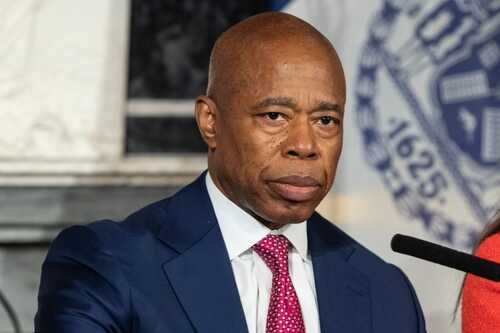
Mayor Eric Adams has aligned himself with the initiative, portraying it as a direct response to mounting medical evidence of alcohol’s carcinogenic properties. Proposed measures extend beyond capping liquor licenses to include restrictions on alcohol marketing, potential tax increases, and minimum pricing structures. Supporters within the administration argue that such steps are necessary to safeguard public health in the nation’s largest city.
Watch now: NYC Wants to Slash Liquor Stores
NYC eyes cutting number of liquor stores to curb health-threatening booze abuse https://t.co/dVwsuwb8ZU pic.twitter.com/enOnBxkGEX
— New York Post (@nypost) September 3, 2025
Business Owners Sound the Alarm
Liquor store operators and hospitality leaders have moved quickly to resist the proposal, warning that the crackdown unfairly targets responsible retailers. The Metropolitan Package Store Association, which represents thousands of shops across the city, claims the move would devastate small businesses while doing little to curb misuse.
Restaurant and bar owners echo those concerns, citing potential ripple effects across New York’s nightlife and tourism economies. Industry advocates argue that at a time when many establishments are still recovering from pandemic-related losses, further restrictions could lead to layoffs, closures, and reduced tax contributions to city coffers. The debate has fueled broader anxiety about regulatory overreach and the erosion of economic freedom in New York.
Regulation Versus Liberty
Despite the Health Department’s push, formal implementation would require action from the City Council and possibly intervention at the state level. The State Liquor Authority has recently focused on modernizing licensing rules to encourage business growth, a policy stance at odds with the city’s proposed limitations.
The controversy mirrors previous battles over public health regulation, such as restrictions on tobacco sales and the attempted ban on oversized sugary drinks. In each case, the city argued for reducing health risks, while opponents warned of government encroachment on individual liberties and commercial activity.
National Stakes and Future Outlook
If New York proceeds with the crackdown, the policy could become a blueprint for other municipalities weighing similar restrictions on alcohol retailers. Broader industries—including cannabis and tobacco—are also watching closely, as the proposal may preview new limits on legal but regulated markets.
For now, liquor merchants, employees, and consumers face uncertainty as political negotiations unfold. With tensions mounting, the fight underscores a fundamental divide over the balance between public health protections and the preservation of personal and economic freedom. The coming months will reveal whether New York City strengthens its regulatory hand or bows to pressure from business and liberty advocates.
Sources
Reuters
Associated Press
New York Post
Politico