
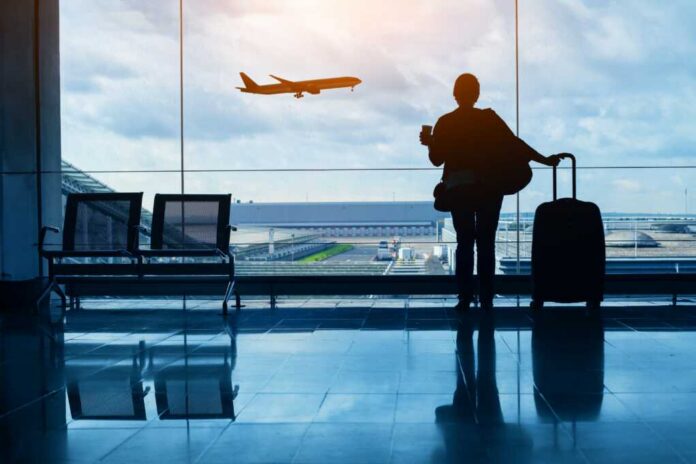
United is cutting flights not because Americans stopped traveling, but because a foreign conflict just made jet fuel so expensive that even major airlines would rather leave seats unsold than fly at a loss.
Quick Take
- United Airlines plans to cut about 5% of scheduled flights in Q2 and Q3 2026, targeting red-eyes and low-demand days.
- Surging jet fuel prices tied to the Iran conflict are driving the change, with fuel representing roughly 20–25% of airline costs.
- United says it expects to restore full schedules by fall 2026 and does not plan employee furloughs.
- Major airlines say demand remains strong, but they are leaning on fare increases and capacity discipline to protect margins.
United’s “Tactical Pruning” Hits Red-Eyes and Slow Midweek Routes
United Airlines told employees it will reduce roughly 5% of its scheduled flights and about 3% of off-peak flying during the second and third quarters of 2026. The airline is focusing cuts on red-eye flights and low-traffic days such as Tuesdays, Wednesdays, and Saturdays—routes where planes can be harder to fill and profits evaporate faster when fuel spikes. United’s timeline points to a return to full schedules by fall 2026, without furloughs.
For travelers, the immediate effect is simple: fewer choices at the margins. People who rely on late-night departures, bargain-timed connections, or less popular travel days may see schedules tighten and prices rise. United’s approach is narrower than an across-the-board capacity pullback, but it still signals a message consumers know too well after years of inflation pressure: when costs jump, companies protect the core and trim the rest.
Fuel Shock From the Iran War Is the Key Pressure Point
Jet fuel is one of the biggest line items in aviation, and it shows it can account for about 20–25% of U.S. airline operating costs. Since late February 2026, fuel costs have surged sharply following U.S. and Israeli strikes on Iran, with prices described as up more than 50% and nearly doubling year-to-date. Because major U.S. carriers generally do not hedge fuel the way some overseas airlines do, they are exposed quickly when oil moves.
United CEO Scott Kirby warned internally that a sustained high-oil scenario could mean an enormous annual fuel bill, with oil potentially reaching $175 a barrel and staying elevated. That kind of stress test explains why United is cutting only the weakest flights rather than chasing volume for its own sake. The business logic is blunt: a half-full plane on an unpopular time slot becomes a money-loser fast when fuel surges, even if overall travel demand looks strong.
Demand Looks Strong, So Airlines Are Testing How Much Pain Flyers Will Take
Executives from major carriers have publicly signaled that travel demand remains resilient, particularly in corporate and premium segments. At an industry conference in mid-March, leaders pointed to strong sales trends even as fuel costs rose, and the research notes that some airlines are already pursuing meaningful fare increases. Kirby has suggested fares could rise 15–20% and still be absorbed, while other analysis points to additional increases that could still be tolerated.
The fact pattern here matters for families watching budgets. When demand holds steady, airlines gain leverage: fewer flights plus strong bookings usually translates into higher prices. That is not a partisan point; it is basic supply and demand. But it lands in a country still sensitive to cost-of-living shocks after years of overspending debates and inflation frustration. If fuel stays high, the “summer travel” squeeze could become another kitchen-table issue.
Capacity Discipline Also Reflects a Changed Industry After 2025 Disruptions
United’s selective trimming also echoes recent precedent. In 2025, a prolonged U.S. government shutdown contributed to operational strain and flight reductions tied to air traffic controller shortages at major airports. That episode showed how quickly national-level decisions and government dysfunction can ripple into everyday travel. Now, the driver is geopolitical: a Middle East war environment that pushes energy costs up and pressures airlines to make fast operational calls.
United says the cuts are temporary and that it still has long-term plans, including aircraft deliveries and hub expansion, but the near-term takeaway is unavoidable: American travelers will be asked to pay more for fewer convenient options while energy markets remain unstable. It also indicates low-cost carriers have been cutting capacity too, which can remove cheaper seats from the market and strengthen pricing power for larger airlines.
Sources:
United Airlines Will Cut 5% of Scheduled Flights Amid High Fuel Prices and Iran War
US airlines see strong spring demand even as fuel costs jump
US airlines travel demand fuel price surge