

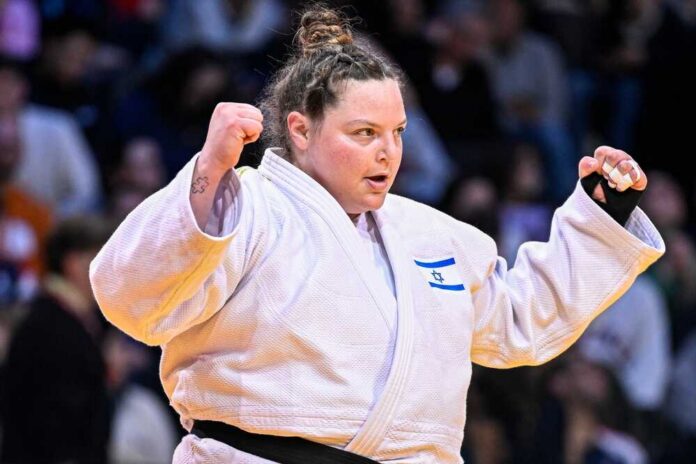
Israeli judo champions forced to flee a major international tournament in Uzbekistan after Israel’s bold strike on Iran sparked deadly security threats abroad.
Story Snapshot
- Shin Bet ordered the Israeli national judo team, including Olympic silver medalist Raz Hershko, to immediately withdraw from the Tashkent Grand Slam on March 1, 2026.
- Gili Sharir reached the repechage final but lost her bronze medal chance due to the abrupt departure amid post-“Operation Roaring Lion” tensions.
- The team relocated safely to central Europe, prioritizing athlete security over competition in a nation near Iran with historical hostilities toward Israel.
- This state-mandated exit underscores recurring geopolitical barriers to Israeli sports excellence, a source of national pride and resilience.
Event Timeline and Key Details
Eleven Israeli judokas competed at the Tashkent Grand Slam from late February into early March 2026. Gili Sharir advanced to the repechage final on Saturday but fell to France’s Manon Deketer, missing bronze. Olympic silver medalist Raz Hershko prepared for her +78kg bout but never competed. On Sunday, March 1, Shin Bet issued a security directive mandating immediate withdrawal. The Israel Judo Association, led by Chairman Moshe Ponte, complied fully, flying the team out to central Europe that day.
Geopolitical Trigger: Operation Roaring Lion
Israel’s “Operation Roaring Lion” against Iran escalated regional tensions, prompting Shin Bet’s alert for Israeli athletes in Uzbekistan. Located near Iran, Uzbekistan maintains historical frictions with Israel, amplifying risks at this early-season International Judo Federation Grand Slam. The event offered crucial Olympic ranking points, yet national security trumped sporting ambitions. This decision reflects Shin Bet’s authority over delegations abroad, placing athlete safety first in hostile environments.
Israeli Judo’s Legacy Amid Adversity
Since Yael Arad’s groundbreaking 1992 Olympic silver, Israeli judo has become a medal powerhouse across Olympics, World Championships, and Europeans. The sport embodies national pride despite persistent boycotts and security hurdles in Arab and Muslim-majority hosts. Recent precedents include a January 2026 youth team removal from a Polish tournament amid antisemitic chants and an Iranian counterattack halting gymnastics activities. Unlike the Israeli bobsleigh self-disqualification at the 2026 Winter Olympics for sportsmanship reasons, Tashkent marks pure intelligence-driven caution.
Immediate and Broader Impacts
Short-term, Sharir forfeits her bronze opportunity and ranking gains; Hershko avoids mat time loss but misses momentum. The team pauses before Austria’s Grand Prix in Linz. Long-term, repeated withdrawals erode Olympic preparation in a sport vital to Israel’s global standing. Fans witness disrupted pride in judo’s resilience narrative. Politically, the incident signals Iran’s operation rippling into diplomacy and sports, heightening awareness of athlete vulnerabilities without major economic fallout beyond relocation costs.
The International Judo Federation hosted without noted response. No official Israel Judo Association statement emerged as of March 2. Jerusalem Post frames judo as a beacon of Israeli strength amid such trials, echoing sentiments from medalist Peter Paltchik on antisemitism in sports.
Sources:
Israel disqualifies its own Olympic bobsleigh team for lying to officials
Security directive forces Israeli judo team to withdraw from Tashkent Grand Slam
Security directive forces Israeli judo team to withdraw from Tashkent Grand Slam
Israeli youth judo team removed from Polish tournament after alleged antisemitic harassment
Israeli national gymnastics team suspends activities after Iranian counterattack
Polish officials reject antisemitism claim over judo tournament clash