
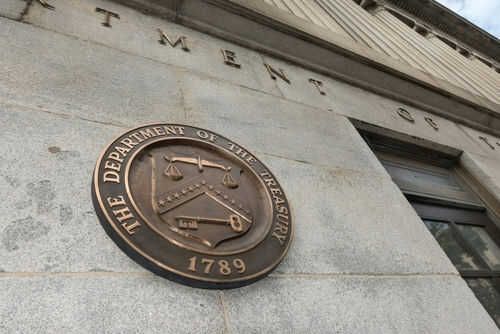
A top Trump tax official was pushed out after warning the White House that stepping into Internal Revenue Service audits could break federal law, raising fresh alarms about who controls the power to audit American taxpayers.
Story Snapshot
- Assistant Treasury Secretary Kenneth Kies was removed after warning a White House request could violate the tax code’s ban on political meddling in Internal Revenue Service audits.
- Kies held rare dual power as Treasury’s top tax policy leader and acting chief counsel at the Internal Revenue Service, overseeing how tax laws are written and enforced.
- His exit deepens an ongoing leadership vacuum at the Internal Revenue Service, which is already struggling to carry out major Republican tax reforms.
- The clash revives long‑running fears that presidents and their aides may try to use tax audits as a political weapon, even though direct proof of White House ordering audits has been rare.
Senior Tax Official Removed After Legal Warning
Assistant Treasury Secretary for Tax Policy Kenneth Kies has been ousted after he reportedly warned that a possible White House request about an Internal Revenue Service audit could break federal law. According to reporting based on people familiar with the meeting, Kies told White House staff that what they were considering would violate Section 7217 of the Internal Revenue Code. That section makes it unlawful for the president, vice president or White House staff to ask the Internal Revenue Service to start or stop an audit of a specific taxpayer. His warning, and his removal soon afterward, have sparked questions about whether political officials tried to cross a legal line that protects regular Americans from targeted tax harassment.
Reports say Kies clashed behind closed doors with White House aides over Internal Revenue Service audit issues in the weeks before his firing. In one recent meeting, sources say he pushed back on a potential request that would have involved a particular taxpayer’s audit, arguing that any such pressure from political staff would break Section 7217. That law was written to keep the powerful from using the tax system to punish enemies or reward friends. For conservative readers who remember the Internal Revenue Service targeting scandal under the Obama administration, the idea of anyone inside the White House even approaching that line is deeply troubling.
Kenneth Kies’ Unusual Dual Role and Why It Matters
Kies did not hold a minor job. The Senate confirmed him in 2025 as the assistant secretary for tax policy at the Treasury Department, making him the top adviser on federal tax policy. In that position, he led the Office of Tax Policy, which designs, analyzes and implements tax rules, including major Trump‑backed cuts on tips, overtime and business investment under the One Big Beautiful Bill Act. On top of that, Treasury designated him acting chief counsel of the Internal Revenue Service, putting him in charge of about 2,000 government lawyers who interpret and enforce tax law. That rare combination gave one official sweeping control over how tax rules are written and how audits are handled, which made his legal warning to the White House especially hard to ignore.
Democratic senators had already focused public attention on Kies, attacking his past work as a lobbyist for large companies and wealthy taxpayers. In a 2025 letter, Senators Elizabeth Warren, Richard Blumenthal, Chris Van Hollen and Sheldon Whitehouse accused him of helping “wealthy tax dodgers” and demanded strict ethics commitments. They pointed to his role in shaping rules after the 2017 Tax Cuts and Jobs Act and warned that his background gave him deep knowledge of how to move billions in tax liabilities. Those attacks framed Kies as a symbol of Republican tax policy. Now, his removal after resisting possible White House interference in audits flips that picture, raising the question of whether even critics will admit that, in this moment, he was trying to defend the law and keep politics out of the Internal Revenue Service.
Leadership Vacuum at IRS and Long History of Audit Fights
Kies’ exit does not happen in a vacuum. His departure leaves both the assistant secretary for tax policy post and the acting chief counsel role without clear long‑term leadership, at a time when the Internal Revenue Service is still implementing massive tax changes. Earlier this year, Democratic senators warned that acting Internal Revenue Service Commissioner Scott Bessent’s term had expired and sounded the alarm about “chaos” and a leadership vacuum at the agency. They noted that Kies’ legally permitted time as acting chief counsel would also expire mid‑June, stressing that the pattern of temporary leaders and last‑minute changes was hurting the agency’s ability to carry out its work. With Kies now out altogether, that vacuum has grown even larger, raising risks for every taxpayer who depends on clear, stable rules.
The fight over Kies echoes a long American history of fears about presidents meddling in tax audits. Conservative groups remember how Internal Revenue Service officials under the Obama administration singled out Tea Party and other right‑leaning organizations for extra scrutiny when they applied for tax‑exempt status, a scandal that confirmed the Internal Revenue Service can be bent against political opponents. Later reviews by Congress pointed more to mismanagement and bureaucracy than direct White House orders, but for many on the right, the damage was done. Going back further, audits of people on President Richard Nixon’s “enemies list” happened far more often than for similar taxpayers, showing how dangerous it is when political power gets near the Internal Revenue Service.
Open Questions and What Conservatives Should Watch Next
Right now, public reporting does not say that the White House went ahead and made the illegal request that Kies warned about. It only states that he argued a potential request would violate Section 7217 and that he was removed soon afterward. There is no confirmed evidence yet that the president or senior aides ordered a specific audit or told the Internal Revenue Service to drop one. However, the timing of his ouster, his powerful dual role, and the secrecy around audit decisions raise serious questions that Congress and watchdogs should press hard.
For conservatives who care about limited government and equal treatment under the law, this story is not just inside‑the‑Beltway drama. If any White House feels free to lean on Internal Revenue Service audits, then no citizen’s privacy or financial freedom is safe, whether that citizen is a gun owner, a small business, a church or a political group. Section 7217 exists to stop that kind of abuse before it starts. Patriots should push for full transparency: who asked what of Kies, why was he removed, and what safeguards will be put in place so the tax man can never be turned into a political weapon again.
Sources:
mediaite.com, forbes.com, home.treasury.gov, newsbang.com, obamawhitehouse.archives.gov, news.bloombergtax.com, nytimes.com, tax.thomsonreuters.com, psca.org, taxnotes.com, docs.house.gov, jct.gov, finance.senate.gov, op.bna.com