
Pakistan’s emergency mediation between Washington and Tehran has reached a critical juncture as Trump’s deadline for Iran to reopen the Strait of Hormuz approaches, with the fate of global energy supplies and potential military escalation hanging in the balance.
Story Snapshot
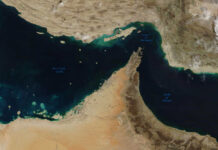
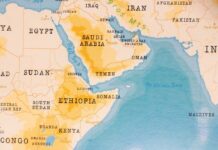
- Pakistan proposes two-phase ceasefire requiring immediate halt to hostilities and reopening of Strait of Hormuz, controlling 20% of global oil supply
- Iran demands permanent guarantees against US-Israeli leadership targeting before negotiations, rejecting Trump’s deadline-driven approach
- Trump extends ultimatum to April 7 evening after five previous deadline shifts, threatening strikes on Iranian facilities if compliance fails
- Overnight talks involve Pakistani Army Chief Asim Munir, VP JD Vance, and Iranian Foreign Minister Abbas Araghchi in potential “Islamabad Accord”
High-Stakes Brinkmanship Tests Trump Administration
President Trump issued his first 48-hour ultimatum on March 21, 2026, demanding Iran reopen the Strait of Hormuz or face devastating strikes on power plants. Since then, the deadline has shifted five times through late March and early April, with Trump extending negotiations while simultaneously threatening nationwide facility destruction. The strait’s closure chokes off a vital artery for global energy markets, creating economic pressure that touches American consumers already frustrated by years of rising costs. This pattern of extensions reveals either productive diplomatic momentum or dangerous indecision that emboldens adversaries and weakens American credibility on the world stage.
Pakistan Emerges as Unlikely Mediator
Field Marshal Asim Munir, Pakistan’s Army Chief, conducted overnight negotiations connecting Vice President JD Vance, envoy Steve Witkoff, and Iranian Foreign Minister Abbas Araghchi on April 6. Islamabad’s two-phase proposal calls for an immediate ceasefire, reopening of the Strait of Hormuz, and follow-up negotiations within 15-20 days to address broader issues including sanctions relief and nuclear program restrictions. Pakistan’s Muslim-majority status and military-diplomatic relationships with both Washington and Tehran position it as a trusted intermediary. However, the proposal raises questions about whether a third-party broker truly serves American interests or dilutes Trump’s maximum-pressure strategy that previously brought Iran to economic desperation.
Iranian Demands Complicate Deal Prospects
Tehran insists on a sustained ceasefire and permanent halt to US-Israeli targeting of its leadership before engaging in substantive dialogue, rejecting what it calls “deadline threat” negotiations. This posture emerged after US strikes killed IRGC intelligence chief Majid Khadmi on April 6, adding to Iranian leadership losses that fuel hardliner resolve. Iran refuses temporary reopening of the strait, demanding comprehensive agreements addressing asset unfreezing and sovereignty protections. These conditions represent the regime’s attempt to leverage its geographic chokehold on global oil supplies into political concessions, a tactic that rewards aggression and demonstrates how weakness invites exploitation from authoritarian adversaries who respect only strength.
Energy Markets and Military Escalation Risks Mount
The Strait of Hormuz closure threatens 20% of global oil supplies, creating price volatility that ripples through energy markets and hits American families already struggling with inflation from years of fiscal mismanagement. Defense analysts warn that failure to reach agreement by the April 7 deadline could trigger US strikes on Iranian facilities, potentially escalating into broader missile exchanges involving Israel and threatening retaliatory attacks. Trump characterized the war as “nearing completion” and expressed optimism about deal prospects, yet simultaneously warned of severe consequences for non-compliance. This brinkmanship reflects both the administration’s willingness to use military force and the complexities of extracting concessions from a regime that has spent decades perfecting strategies of asymmetric resistance.
Broader Implications for Regional Security
A successful “Islamabad Accord” could establish precedent for third-party mediation in great-power conflicts while potentially reshaping Middle East security architecture through sanctions relief tied to Iranian nuclear concessions. Pakistan stands to gain significant diplomatic influence from successful mediation, elevating its regional status beyond traditional India-focused concerns. However, Iranian analyst Iftikhar Firdous noted that parties have “not yet reached that stage” of sustained ceasefire prerequisites, while experts highlight unresolved gaps between Iran’s demand for non-attack guarantees and America’s requirement for unconditional strait opening. The outcome remains unpredictable, testing whether Trump’s deal-making approach can succeed where decades of traditional diplomacy failed, or whether it simply empowers adversaries to extract concessions through economic warfare that ultimately costs ordinary Americans.
Sources:
Pakistan’s peace plan ‘critical opportunity’ in US-Iran talks ahead of Trump deadline
Trump extends Iran deadline as Pakistan-brokered talks continue
Iran reviews Pakistan’s ceasefire proposal as Trump deadline looms