A promised “complete, immediate, safe” reopening of the Strait of Hormuz is already colliding with reality as hundreds of oil tankers remain stuck and shipping firms refuse to gamble on vague ceasefire terms.
Quick Take
- MarineTraffic data cited in reporting showed only two ships transited the Strait of Hormuz by 9 a.m. April 8, while 426 tankers waited, alongside dozens of gas carriers.
- The U.S.-Iran ceasefire is time-limited (two weeks) and appears fragile, with shipping operators still prioritizing crew safety and insurance risk over political announcements.
- Iran has tied passage to coordination with its armed forces, and reports have raised questions about possible tolls—turning “free navigation” into a potential leverage point.
- Because the strait handles roughly 20–25% of global oil and about 20% of natural gas, even partial disruption can ripple into fuel prices, shipping costs, and inflation.
Why the “reopening” isn’t translating into real traffic
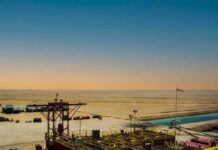
MarineTraffic data referenced in the reporting painted a stark picture on April 8: only two ships had made it through the Strait of Hormuz by mid-morning, while 426 tankers waited, plus 34 LPG carriers and 19 LNG vessels. That gap between diplomatic messaging and operational reality matters because shipowners are making risk decisions in real time—based on security conditions, insurer guidance, and the credibility of enforcement, not headlines.
Shipping firms signaled caution rather than confidence. Maersk indicated it welcomed progress but also emphasized limited clarity and ongoing risk assessments, while other industry voices suggested operators were holding back instead of rushing into a choke point that only recently saw a blockade. The takeaway is simple: a ceasefire can exist on paper while commerce stays frozen in practice, especially when the terms are temporary and easily reversed.
How Iran’s control of the chokepoint becomes political leverage
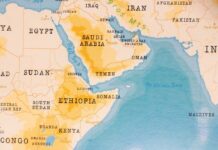
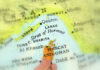
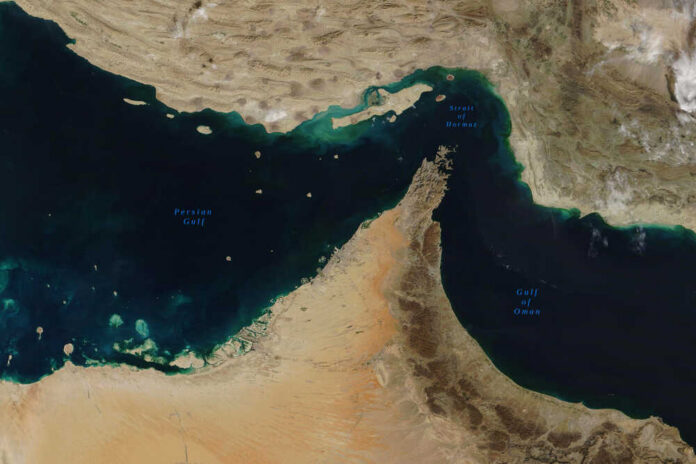
The Strait of Hormuz sits between Iran and Oman, and geography gives Tehran natural leverage during any standoff. Reporting described Iran conditioning safe passage on coordination with its armed forces, an approach that can slow traffic even without a formal closure. Separately, questions about possible tolls—framed in some coverage as a reconstruction-related fee—highlight how quickly a “security corridor” can resemble a toll booth when a regime is looking for revenue or bargaining chips.
For American readers, the bigger issue is not just what the U.S. negotiates, but what can be enforced. President Trump’s ceasefire framework tied the suspension of attacks to reopening the strait, with U.S. monitoring meant to help stabilize navigation. But the early numbers—hundreds still waiting—show how easily U.S. goals can be tested when a hostile government retains on-the-water control and can tighten or loosen access through “coordination” requirements.
Economic stakes: energy prices, shipping costs, and the inflation nerve
The strait’s importance is not theoretical: coverage cited the widely used estimate that roughly 20–25% of global oil and about 20% of natural gas move through Hormuz. When that flow is threatened, even temporarily, markets swing on expectations—oil prices can drop on ceasefire news and then rebound if the physical backlog doesn’t clear. That volatility tends to show up later as higher transportation costs and, potentially, renewed inflation pressure.
What to watch during the two-week window
The ceasefire is short by design, intended to create space for negotiations rather than guarantee a durable settlement. That timeline makes “proof” more important than promises: sustained vessel movement, stable insurer posture, and consistent rules of passage are what would confirm the strait is truly reopening. Meanwhile, reporting noted post-ceasefire attacks and separate regional tensions, including Israel’s continued operations in Lebanon, underscoring how easily unrelated escalations can spill back into shipping risk calculations.
With Republicans controlling Congress and President Trump in his second term, the U.S. has more political room to project strength abroad than during divided-government years. But the Hormuz backlog is also a reminder of a frustration many Americans share across party lines: the global system can still be held hostage by narrow chokepoints and hard-to-trust actors, and the consequences often land at home in the form of higher prices. For now, the most honest indicator is not rhetoric—it’s how many ships actually move.
Sources:
2 Ships Through. 426 Tankers Waiting. The Strait of Hormuz Ceasefire Isn’t Working
Iran war: Strait of Hormuz ceasefire, Trump, stock market (live updates)