Iran hit a commercial ship, the United States hit back hard, and now fragile peace talks may be slipping away.
Story Highlights
- U.S. Central Command says strikes answered Iran’s drone hit on M/V Ever Lovely [3].
- Targets included missile and drone depots plus coastal radar along the Strait of Hormuz [1].
- President Trump called Iran’s actions a “foolish violation” of the ceasefire [4].
- Iran denies blame and vows retaliation as media warn of rising tensions [7].
CENTCOM details retaliatory strikes and mission goals
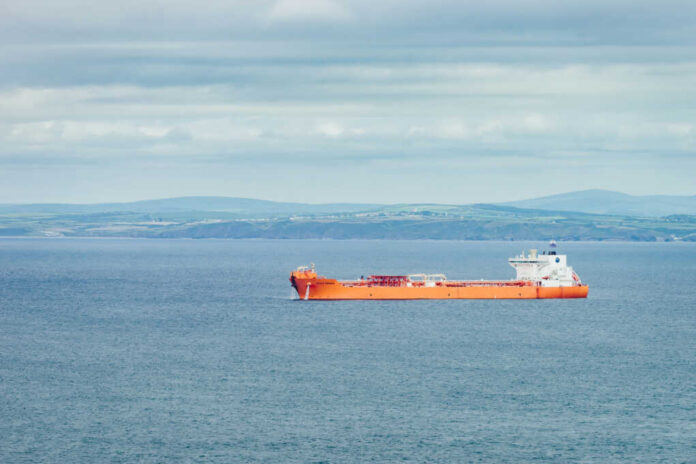
United States Central Command said American aircraft struck Iranian missile and drone storage sites and coastal radar positions along the Strait of Hormuz and Qeshm Island. Command leaders framed the mission as a direct response to the one-way attack drone that hit the Singapore-flagged M/V Ever Lovely on June 25, 2026. Officials said the goal was to degrade systems used to threaten shipping and to keep sea lanes open for civilian traffic and global commerce [3].
Senior defense officials told reporters the targets were chosen to reduce near-term risk to ships and crews in the chokepoint. The sites supported drones, missiles, and tracking radars that can cue attacks against tankers and cargo vessels. The command said the strikes were complete and all objectives were in the Strait area. This matches a broader U.S. message: freedom of navigation is nonnegotiable, and attacks on civilian shipping will draw a rapid military cost [1].
White House message and ceasefire confusion
President Donald Trump said Iran fired one-way attack drones at ships and called it a “foolish violation” of the ceasefire. The President did not state if the ceasefire still stands after the U.S. response. That gap has fueled questions about the truce’s status. The military framed the Iranian strike as “unwarranted aggression” that broke the deal. The split in tone leaves room for critics to argue the policy is firm at sea but unclear at the podium [4].
Media outlets and foreign ministries rushed to shape the story. Major outlets framed the U.S. action as a risky escalation while talks inch forward. Iran’s foreign ministry and the Islamic Revolutionary Guard Corps condemned the strikes and promised a response. That rhetoric, paired with fresh launches, keeps nerves high across Gulf routes. The more public doubt grows, the more shipping insurers and crews brace for higher costs and more patrols in tight waters [7].
Disputed facts and what proof is still missing
United States Central Command tied the Ever Lovely hit to Iran, but the government has not released drone wreckage for public forensic review. There are no serial numbers, launch-site images, or radio intercepts on the record yet. Iran has not admitted the attack and hints the ship broke Iranian parameters. That leaves a verification gap. A joint maritime probe with released data could settle key points and rally wider support for follow-on actions [3].
Reuters reported Iran claims it struck U.S.-linked sites in response, showing it can still launch drones and missiles. That point cuts against any claim that Iran’s strike power is gone. It also means the window for miscalculation stays open. Each new launch risks harm to crews and raises oil market worry. Clear proof about the original drone, plus transparent rules for shipping lanes, would help reduce the fog and isolate the aggressor in public view [14].
Why this matters for American families and energy costs
The Strait of Hormuz carries a large share of the world’s oil and gas. Every threat there hits our wallets through fuel spikes. Radars that track tankers and drones that harass ships push up insurance, shipping fees, and pump prices. The Trump team says it is acting to keep lanes open and prices stable. That lines up with protecting American jobs, small businesses, and family budgets. Strong patrols and quick, targeted responses can deter more chaos at sea [1].
Conservatives want clear lines: defend our people, protect trade, avoid endless wars, and never bow to terror at sea. The current approach aims to be sharp and limited. But proof matters. The administration can strengthen its case by sharing declassified evidence that links the drone to Iran. That will counter spin from Tehran and some media voices. It will also reassure allies, rally markets, and keep pressure on those who target civilian ships, not soldiers [7].
Sources:
[1] Web – Iran Negotiations Day 11: U.S. and Iran Trade Strikes as Peace Hopes …
[3] Web – 2026 Iran war – Wikipedia
[4] Web – U.S. Strikes Iran in Response to Attack on Commercial Vessel
[7] Web – The U.S. on June 26, 2026, struck Iran in response to a drone attack …
[14] YouTube – US and Iran exchange strikes near Strait of Hormuz despite ceasefire