
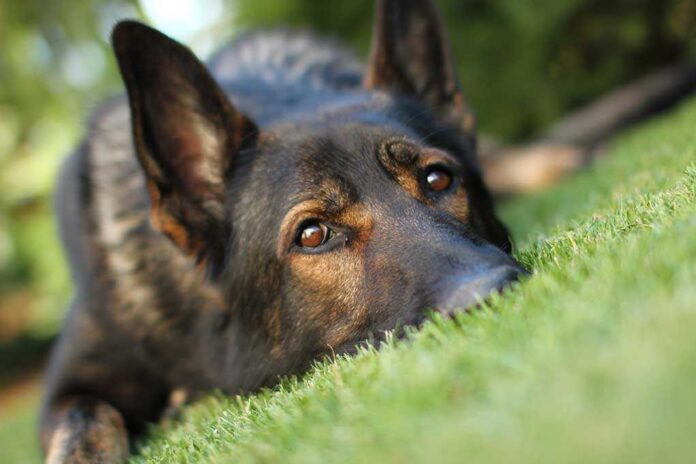
A new defense startup plans to clone and gene-edit “war dogs” for missions, putting biotech on the battlefield.
Story Highlights
- Warhound launched with a plan to clone and gene-edit elite military working dogs.
- The company raised $200 million from major investors, including In-Q-Tel.
- Leaders say first edited litters could arrive as soon as early 2027.
- Founders claim healthier dogs and mission-ready traits, paired with advanced gear.
Warhound’s Stated Mission and Methods
Defense News reported that Warhound aims to combine cloning and gene editing to produce healthier and more capable military working dogs. The project plans to clone top performers, edit genes tied to known health issues, and standardize training from the start. Reporting identified Colossal Biosciences chief executive Ben Lamm and Anduril founder Palmer Luckey as co-founders. Colossal brings genetics and cloning skills, while Anduril contributes defense technology and field systems to support handlers and dogs.
TechCrunch said Warhound emerged from stealth with $200 million in financing and a valuation of about $1.2 billion, naming Sequoia, 8VC, Corner Ventures, and In-Q-Tel among the backers. In-Q-Tel’s role signals interest from the intelligence community in the program’s potential. The company and its investors frame the goal as solving a supply and reliability gap for working dogs, which are costly to source, train, and keep healthy across long careers in tough environments.
Timeline, Biobanking, and Production Goals
Scientific American reported that Warhound expects first litters as early as early 2027. Fortune added that the team has already biobanked material from the first group of candidate dogs, and that edits are underway, with deliveries targeted within about two years. Ben Lamm also noted that genetics are only part of performance; training and environment will still shape each dog’s results, even if breeding and edits reduce health risks that often derail promising recruits.
Military Times quoted Warhound’s statement that Colossal’s science aims to produce healthier dogs with traits suited for demanding missions. The release also said Anduril’s field technology will give dogs and their handlers greater awareness and protection. That pairing suggests a two-track effort: improve the dog’s baseline health and suitability through genetics, and then add sensors, communications, and protection to help teams work safer and faster on the ground.
What Exists Now Versus What Comes Next
Coverage made clear that edited dogs had not yet been publicly shown at launch. TechCrunch wrote that Warhound’s dogs “do not exist yet,” while outlets described plans for first litters and future deliveries rather than completed animals. That caveat aside, the company’s biobanking, defined goals, and named partners show a real program moving toward tests, not just a pitch deck. The next visible milestone will be live births with documented health results and training outcomes.
Defense reporting shows why the effort matters. Military dog programs face limited supply, high washout rates, and expensive training pipelines. Peer-reviewed and government literature explains that success depends on genes, selection, early life, training, and handler fit. Better genetics and data-driven selection can raise the odds that a young dog matures into a reliable partner for patrol, detection, and protection roles across years of service, saving time and taxpayer funds.
Why Conservatives Should Track This
U.S. security depends on tools that keep troops safe and missions on track. If Warhound can reduce inherited health problems and standardize training, units could field more stable K-9 teams with fewer costly setbacks. Investors tied to national security, including In-Q-Tel, suggest demand for dependable results, not hype. Strong oversight is still needed to guard animal welfare and align with American values, but the promise is a stronger, more accountable supply chain for mission-ready dogs.
In the U.S., dogs are being genetically modified for the military
Palmer Luckey, founder of the defense company Anduril, and entrepreneur Ben Lamm have launched a startup called Warhound, which will clone the best dogs and genetically modify them to improve their health,… pic.twitter.com/OHsRFlXcx3
— UinHurricane (@UinHurricane) November 15, 2026
America should lead in responsible defense innovation, not outsource critical capabilities or accept avoidable failures. President Trump’s administration can push for clear rules, transparent testing, and fair procurement, so real gains reach handlers in the field. As the company moves from funding to first litters, watch for verified health screens, training pass rates, and deployment outcomes. Those hard numbers will show whether this biotech bet delivers practical strength for our forces and better welfare for the dogs.
Sources:
archive.is, defensenews.com, techcrunch.com, motherjones.com, finance.yahoo.com