France caved to White House pressure and revoked South Africa’s invitation to the G7 summit, exposing how America First foreign policy now includes strong-arming allies to isolate nations that challenge U.S. interests on the world stage.
Story Snapshot
- France withdrew President Ramaphosa’s G7 invitation in June 2026 after U.S. threatened to boycott the summit if South Africa attended
- Disinvitation stems from escalating tensions over South Africa’s genocide case against Israel and Trump administration disputes dating to 2018
- U.S. previously boycotted South Africa’s G20 summit and barred Pretoria from 2026 Miami G20 proceedings
- South African officials publicly blame sustained American pressure while maintaining diplomatic ties will outlast current administration
Trump Administration Forces France’s Hand on G7 Guest List
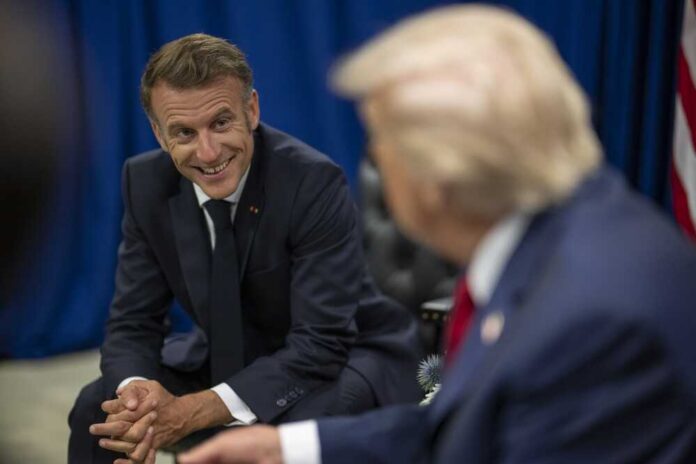
South African presidential spokesperson Vincent Magwenya confirmed on March 26, 2026, that France revoked President Cyril Ramaphosa’s invitation to the June G7 summit in Evian after the United States threatened to boycott the event. French President Emmanuel Macron personally extended the invitation to Ramaphosa during November 2025’s G20 summit in Johannesburg, but sustained White House pressure forced France to reverse course. The disinvitation marks an unprecedented public accusation of G7 host capitulation to a member nation’s boycott threats, raising questions about sovereignty in multilateral diplomacy.
Deepening Rift Over Israel and Domestic Policies Drives U.S. Isolation Campaign
Relations between Washington and Pretoria deteriorated sharply since Trump’s 2025 return to office, building on frictions from his first term. Trump’s 2018 claims of “white genocide” against Afrikaners, combined with high tariffs on South African goods, established a contentious foundation. South Africa’s November 2023 International Court of Justice genocide case against Israel—a key U.S. ally—intensified the standoff. The Trump administration also rejected South Africa’s Black Economic Empowerment policies and demanded Pretoria hand over G20 presidency responsibilities to a U.S. embassy representative, a demand South Africa refused.
Pattern of American Boycotts Reshapes International Summit Participation
The G7 disinvitation follows a series of U.S. diplomatic snubs targeting South Africa across major international forums. Washington boycotted November 2025’s G20 summit in Johannesburg, then announced South Africa would not participate in G20 work under the U.S. presidency in 2026. While South Africa is not a G7 member, the nation previously attended summits as an outreach guest representing Global South interests. The Trump administration’s aggressive posture isolates not just Pretoria but signals to other nations that challenging U.S. positions on Israel or domestic sovereignty issues carries consequences in multilateral settings.
South African officials framed France’s capitulation as temporary diplomatic turbulence that will not permanently damage bilateral relationships. Magwenya stated the “diplomatic relationship will outlive the current White House,” emphasizing Pretoria’s commitment to maintaining engagement despite current tensions. Ramaphosa’s government is moving forward with appointing a new U.S. ambassador to manage the fractured relationship. However, the episode highlights how American economic and political leverage can override host nation autonomy in setting G7 guest lists, potentially weakening the forum’s credibility as a platform for Global South voices.
Implications for America First Diplomacy and Conservative Values
For MAGA supporters frustrated with endless foreign entanglements, this incident presents a troubling paradox. While the Trump administration defends Israel and pushes back against nations weaponizing international courts for political purposes, the strong-arm tactics raise questions about whether America should expend diplomatic capital coercing allies over summit guest lists. The administration’s focus on South Africa diverts attention from keeping promises to avoid new wars, as evidenced by the ongoing Iran conflict. Many conservatives who backed Trump’s 2016 pledge to end regime change wars now question whether bullying Pretoria over G7 attendance aligns with putting American interests first, especially when energy costs remain high and war expenditures mount.
The broader impact extends beyond bilateral tensions to multilateral diplomacy itself. France’s surrender to U.S. pressure undermines Macron’s multilateralism rhetoric and sets a precedent where G7 hosts must defer to Washington’s preferences rather than exercise independent judgment on outreach. This dynamic weakens the G7’s ability to engage diverse perspectives from developing nations, potentially driving countries like South Africa closer to China and Russia. For conservatives valuing sovereignty and limited government overreach, the episode demonstrates how interventionist foreign policy—even when targeting problematic regimes or policies—can backfire by expanding American entanglements and straining alliances that should focus on shared security and economic interests rather than settling scores.
Sources:
US urged France to revoke South Africa G7 invite, Pretoria says – Polity
South Africa says disinvited from G7 summit after US pressured France – Le Monde
South Africa disinvited from G7 after US pressure – NAMPA