
Florida’s education leaders have moved to shut illegal immigrants out of public colleges and adult education, turning higher education into the latest front line in the fight over border security and taxpayer protection.
Story Snapshot
- Florida’s State Board of Education voted to ban undocumented immigrants from the 28 public colleges and adult education programs.
- New rules require every applicant to prove they are a citizen or “lawfully present” before enrolling.
- Florida’s public universities are advancing a similar rule that would block undocumented students starting in the 2027–28 school year.
- The college system could lose an estimated $15 million a year in tuition and fees under the ban.
Florida Moves to Close Public Colleges to Illegal Immigrants
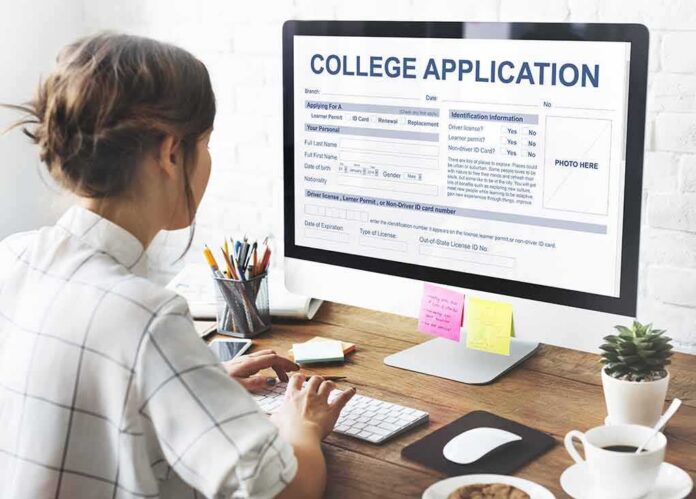
The Florida State Board of Education has approved a rule that bars undocumented immigrants from enrolling in the state’s 28 public colleges and adult education programs, including General Education Development (GED) preparation. Under the policy, colleges may only admit students who are United States citizens or people “lawfully present” in the country, and each applicant must provide documentation proving that status before admission or enrollment. This move follows earlier steps by lawmakers to end in‑state tuition for undocumented students at Florida public institutions.
State officials and many conservative voters argue the ban protects scarce resources and ensures that public higher education serves people who follow immigration laws. Supporters see it as part of a broader push, under the Trump administration’s second term, to tighten enforcement and stop incentives that draw illegal immigrants into the country. Florida’s rule also allows college boards to deny applicants based on past misconduct if they decide it is in the best interest of the institution, adding another layer of screening for who gets access to state-supported education.
Universities Advance Parallel “Lawful Presence” Rules
Florida’s separate public university system is moving in the same direction, with the Board of Governors advancing a rule that would block undocumented students from enrolling at the state’s 12 universities. The proposed regulation says that, beginning with the 2027–28 academic year, anyone “not lawfully present in the United States” will not be eligible to enroll in selective universities that do not admit all qualified applicants. Schools such as the University of Florida, Florida State University, and the University of Central Florida fall in this category and would be required to follow the new limits once finalized.
University officials have clarified that students already enrolled will not be removed from their programs and that the change would apply only to new applicants. Board members have said the definition of “lawful presence” will follow federal government standards, meaning universities will rely on federal guidance when deciding who qualifies. The rule is open for public comment for 14 days and must receive a final vote, while a legislative oversight committee is already questioning whether education officials have clear legal authority to adopt these bans without the state legislature passing a specific statute.
Fiscal Costs, Legal Questions, and Advocate Pushback
Analysts estimate that blocking undocumented students from the Florida College System could cost institutions more than $15 million each year in lost tuition and fees, even as supporters argue the ban protects taxpayers. Florida Policy Institute estimates also highlight new administrative burdens, since colleges must build systems to verify citizenship or lawful presence and handle documentation from every applicant. Some 50,000 students in Florida were undocumented in 2023, meaning the rule could affect thousands of potential college and GED candidates over the coming years.
“Exploring all options”: Advocates vow to fight Florida state college ban on undocumented students https://t.co/mYhLLSmf16 pic.twitter.com/hCldXC9xBI
— WFTV Channel 9 (@WFTV) July 4, 2026
Immigrant-rights advocates and progressive groups are preparing formal challenges, arguing the Department of Education is overstepping the intent of Florida law and the state constitution by cutting off access to public colleges and adult education without a clear legislative mandate. National legal guidance notes that federal law does not itself ban undocumented immigrants from enrolling in public colleges, leaving states wide room to decide their own admission policies. For conservative Floridians, the new rules mark a sharp turn toward enforcing lawful presence and resisting pressure from open-borders activists, even as courts and lawmakers now face the task of sorting out whether these education bans stand on firm legal ground.
Sources:
gatewayhispanic.com, highereddive.com, youtube.com, instagram.com, facebook.com, wftv.com, insidehighered.com, wusf.org, floridapolicy.org, nilc.org, chronicle.com