

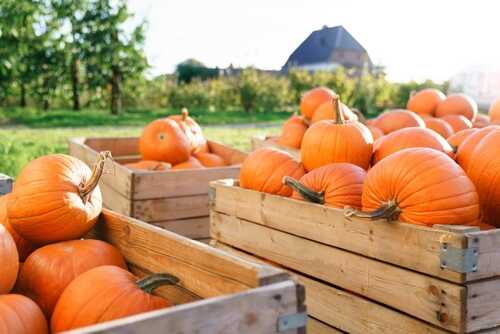
Drought conditions across America are devastating pumpkin farmers this season, leaving many patches barren and threatening a beloved fall tradition that families have cherished for generations.
Story Snapshot
- Severe drought conditions are destroying pumpkin crops nationwide, leaving many patches empty
- Pumpkins require massive water content (80%+) making them extremely vulnerable to dry conditions
- Traditional family fall activities and local agricultural businesses face significant disruption
- American farmers are bearing the brunt of weather patterns beyond their control
Farmers Face Devastating Crop Losses
Pumpkin farmers across the United States are confronting one of their most challenging seasons in recent memory. The prolonged drought conditions have created impossible growing conditions for crops that depend heavily on consistent moisture. Many agricultural operations that have served communities for decades are now staring at empty fields where vibrant orange pumpkins should be thriving. The financial impact on these family-run businesses represents another blow to America’s agricultural backbone.
PUMPKIN PROBLEMS: Extremely dry conditions in Tennessee have led to some pumpkin farmers to raise their prices this fall season, as their fields are a little barer than usual because of the dry weather. FOX News Multimedia Reporter Asher Redd reports from Cross Plains. pic.twitter.com/NNr3iw2jhv
— FOX Weather (@foxweather) October 17, 2025
Water Requirements Spell Disaster for Pumpkin Crops
The science behind this agricultural crisis is straightforward yet devastating. Pumpkins consist of at least 80 percent water, making them exceptionally vulnerable to drought conditions. Without adequate rainfall or irrigation resources, these crops simply cannot develop properly or survive to maturity. Farmers report that even with supplemental watering efforts, many operations lack the infrastructure or resources to compensate for such severe natural water shortages across widespread growing regions.
Traditional Fall Experiences Under Threat
This crisis extends far beyond farm economics, striking at the heart of cherished American traditions. Families across the country look forward to autumn pumpkin patch visits, creating memories that span generations. Local communities depend on these seasonal attractions for both economic activity and cultural continuity. The empty fields represent more than crop failure—they symbolize the disruption of traditions that bind families and communities together during harvest season.
Small-town economies that rely heavily on fall tourism and agricultural sales are particularly vulnerable to these conditions. Many rural communities have built their seasonal economic strategies around pumpkin-related activities, from corn mazes to harvest festivals. The ripple effects of failed crops will impact local businesses, seasonal workers, and the broader agricultural supply chain that supports these operations throughout the growing season.
Agricultural Resilience Tested
American farmers have always demonstrated remarkable resilience in facing natural challenges, but this season’s drought conditions test even the most experienced agricultural operations. Many family farms are exploring alternative crops or adjusting their business models to weather this crisis. The situation highlights the ongoing challenges facing domestic food production and the importance of supporting American agricultural independence. These hardworking farmers deserve recognition for their efforts to maintain food security despite facing circumstances beyond their control.
Watch the report: Pumpkin patches impacted by nationwide drought
Sources:
Drought conditions leave pumpkin farmers with empty fields and smaller crops
Drought conditions leave pumpkin farmers with empty fields and smaller crops
Many pumpkin patches won’t look the same this year as drought conditions across the United Statesn.