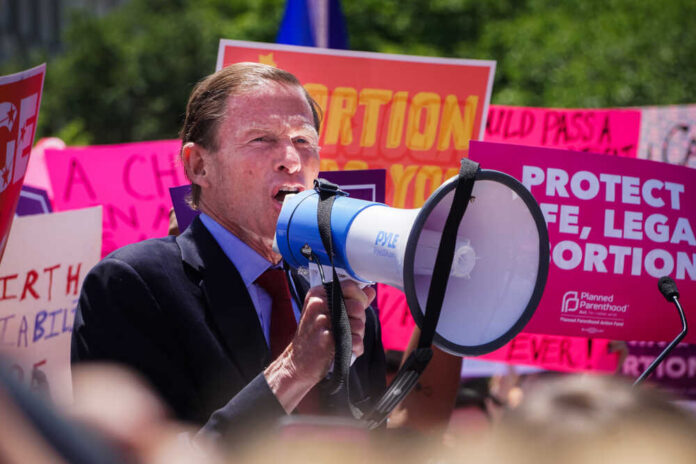
Senator Richard Blumenthal’s blatant hypocrisy on presidential military power—praising Obama’s 2011 Libya strikes while slamming Trump’s decisive 2026 Iran operation—exposes the left’s partisan double standards that undermine national security.
Story Highlights
- Jonathan Turley dismantles Blumenthal’s criticism of Trump’s Iran strikes by quoting the senator’s own 2011 praise for Obama’s identical unilateral Libya action.
- Operation Epic Fury on February 28, 2026, eliminated Iran’s Ayatollah Khamenei and struck 1,000 targets, neutralizing a key terror sponsor.
- Democrats apply one rule for their presidents and another for Trump, eroding consistent defense of American interests.
- Turley affirms Trump’s actions fit established presidential authority historically used by Democrats without congressional approval.
- This contradiction weakens Democratic calls for “accountability” and bolsters Trump’s America First foreign policy resolve.
Turley Exposes Blumenthal’s Contradiction
Constitutional scholar Jonathan Turley on March 3, 2026, posted a direct comparison of Senator Richard Blumenthal’s statements. In 2011, Blumenthal hailed President Obama’s Libya intervention as “prudent, decisive action.” Fast forward to 2026, and he attacked President Trump’s Iran strikes as “unilateral action without accountability.” This stark reversal highlights partisan selective outrage. Turley, a respected legal voice, frames it as evidence Democrats defend executive power only when it suits their party. Such inconsistency frustrates conservatives who demand principled governance over political gamesmanship. The exchange gained rapid traction on social media, amplifying calls for accountability from the left.
Operation Epic Fury: Decisive Strike Against Iran
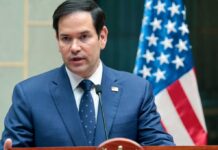
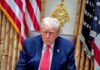
On February 28, 2026, the U.S. and Israel launched Operation Epic Fury, killing Supreme Leader Ayatollah Ali Khamenei and dozens of top officials while hitting about 1,000 targets in 24 hours. Iran retaliated March 1 with strikes on U.S. embassies and Arab allies. President Trump defended the operation, noting on March 1 he had eyed three potential Iranian leaders, all eliminated in the strikes. Secretary of State Marco Rubio clarified the goals: block Iran’s weapons access and pursue regime change. This bold action addressed Iran’s nuclear threat—enriched uranium for 11 bombs—and countered years of aggression. Conservatives applaud the resolve after Biden-era weakness allowed Tehran to fester.
Presidential War Powers: A Long-Standing Precedent
Legal precedent supports Trump’s authority. Turley notes presidents routinely respond to national security threats without prior Congress approval, with courts deferring to executive action. Obama’s 2011 Libya strikes drew similar Democratic praise, including from Nancy Pelosi stating no authorization was needed. Blumenthal’s flip-flop ignores this history. Democrats now push war powers resolutions and funding cuts, but Turley warns once conflict starts, Congress struggles to intervene. This pattern shows hypocrisy: leftists cheered unilateralism under Obama but cry foul under Trump. Protecting America demands consistent standards, not party loyalty.
Broader context reveals 2025 U.S. strikes on Iranian nuclear sites set the stage. Trump initially cautioned against regime change chaos but later embraced it as potentially ideal. Senator Chris Murphy claims air campaigns alone fail historically, yet Iran’s leadership decapitation marks a rare success against a regime fueling global terror. These developments test constitutional balances amid rising tensions.
Partisan Hypocrisy Undermines Oversight
Blumenthal’s reversal fuels credibility doubts among congressional Democrats. They decry Trump’s moves while ignoring their past support for identical actions. Turley argues this erodes legitimate oversight, polarizing debates on war powers. Short-term, Iran’s retaliation heightens risks to U.S. personnel and allies. Long-term, uncertainty looms over Iran’s governance post-Khamenei, but dismantling its nuclear path strengthens global security. Conservatives see vindication: Trump’s decisiveness counters globalist hesitancy that empowered foes. PolitiFact notes Trump’s own shifts on regime change, yet the left’s louder inconsistencies dominate. This saga reinforces demands for unified American strength.
Stakeholders like Rubio emphasize blocking arms flows alongside regime hopes. Congress debates continue, but facts affirm executive prerogative in crises. Families prioritizing security over partisan posturing recognize Turley’s takedown as a win for truth.
Sources:
PolitiFact on Trump’s Iran Regime Change Statements
PolitiFact Article on Iran Strikes and Congress War Powers
All News Pipeline on Ayatollah Situation