

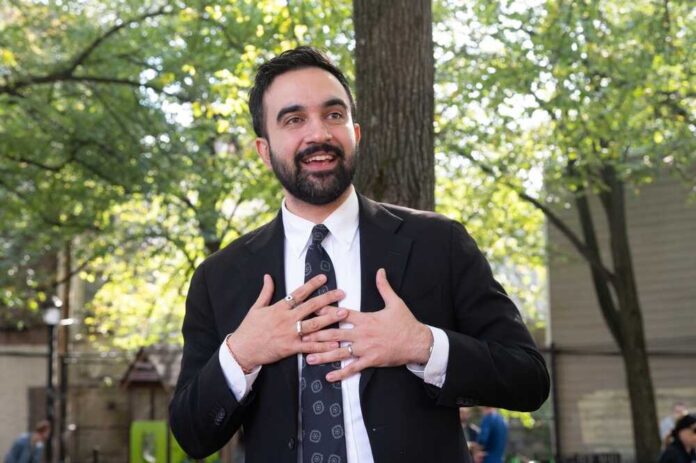
A New York appeals court revived Mayor Zohran Mamdani’s second-home tax rollout after a judge’s pause, keeping thousands of homeowners on the hook while the legal fight continues.
Story Highlights
- An appeal put a judge’s pause on hold, allowing the rollout to continue pending review.
- The lawsuit targets the city’s rollout process, not the legality of the tax itself.
- The city posted a public list covering roughly 900,000 properties, sparking privacy and accuracy concerns.
- Officials say only about 17,000 owners actually received notices, revealing a wide gap in screening.
Appeals Court Action Keeps Rollout Moving
City lawyers filed an immediate appeal after a Staten Island judge ordered a temporary pause on the rollout. That appeal stopped the restraining order from taking effect and let the city proceed while higher courts review the case. This means homeowners who got letters must still track deadlines and document their status. The core tax remains in place because the suit does not attack the tax law itself, only how the city launched it.
Supporters argue the surcharge targets second homes, not primary residences, as a way to raise revenue without hitting full-time residents. Reports say Governor Kathy Hochul backed the measure at the state level, adding political cover beyond City Hall. City messaging says the policy is narrow. But the court battle is now about due process and proper notice, not whether New York can tax non-primary homes in principle.
Homeowners Challenge Notice Process and Public Posting
Homeowners sued over how the city handled notices and public data. Reports say the city posted names, addresses, and values for a list of roughly 900,000 properties that could be affected, far more than those actually targeted. Plaintiffs say the city pushed the burden onto owners to prove they live in their homes. They claim some full-time residents still got letters, which undercuts confidence in the city’s screening. A judge initially agreed there were procedural flaws, prompting the pause.
City officials said only about 17,000 letters went out, a small subset compared with the vast public list. That mismatch fuels fears of government overreach and sloppy data practices. It also raises privacy concerns, since the list named ordinary people and their property details on a massive scale. Even if the city prevails later, the posting may leave a lasting mark. The larger the net, the higher the odds of errors, confusion, and needless stress for families.
What the Tax Targets and Why It Still Stands
Reporting describes the levy as a surcharge on second homes, also called pied-à-terre properties, above stated value thresholds. The city frames it as a budget tool to capture revenue from non-primary residences owned by out-of-towners or investors. Backers say that approach protects primary residences while asking wealthier owners to pay more. The lawsuit, however, does not challenge that concept. It asks the courts to fix how the city identifies who owes and how owners can contest it.
Even if a second home – owners pay their property tax, pay for upkeep, utilize local businesses, employ local people – why is the Hochul/ Mamdani admin penalizing these people. Projected income – 500 mill – a pittance compared to the debt.
Go after the fraud and abuse.— Mar Cohan (@MarCohan3) August 13, 2026
Because the appeal paused the judge’s order, the rollout still moves forward. That leaves owners navigating short timelines, document demands, and possible appeals. Homeowners should watch for deadlines in any notice and keep records proving primary residence or tenant use. The legal fight could take time, and each step may change obligations. Until a higher court rules, the safest path is to respond promptly and keep clear paperwork to protect your rights.
Why This Fight Matters to Property Rights
This case is about more than one city tax. It highlights how big data and mass mailings can sweep in the wrong people. When a government publishes a list near one million properties, then sends only 17,000 letters, trust breaks down. Conservatives understand that process matters. Fair notice and accurate screening protect everyone. Courts may allow the tax, but they should also demand rules that respect due process, privacy, and basic common sense in government.
Sources:
foxnews.com, nypost.com, nytimes.com, cnn.com, en.sedaily.com