The federal government has launched a civil rights probe into Minnesota’s hiring policies after discovering that supervisors must justify hiring white or Asian candidates—potentially signaling the collapse of government-imposed “diversity” mandates.
At a Glance
- The Trump administration’s DOJ is investigating Minnesota DHS’s affirmative action hiring policy for possible civil rights violations.
- The policy forces supervisors to justify hiring non-minority candidates and threatens them with discipline for non-compliance.
- Republican lawmakers and national conservatives are slamming the policy as “DEI on steroids” and an affront to merit-based hiring.
- The investigation could have national implications, potentially rolling back similar DEI policies across the country.
Feds Say: Enough With DEI “Gatekeeping”
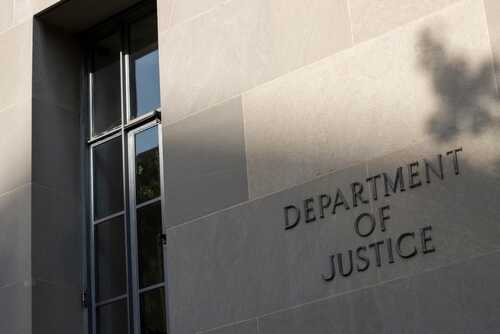
The Department of Justice has officially opened a civil rights investigation into the Minnesota Department of Human Services (DHS), focusing on a hiring policy that mandates state supervisors justify hiring anyone who is not “underrepresented”—a term that excludes white and many Asian American applicants. Those who fail to comply risk disciplinary action, up to termination.
Watch a report: DOJ Investigates Minnesota Over DEI Hiring Rules
Led by Assistant Attorney General Harmeet Dhillon, the Trump-era DOJ is cracking down on what it sees as state-sanctioned race and sex discrimination. This probe comes amid broader efforts to dismantle “Diversity, Equity, and Inclusion” (DEI) policies deemed incompatible with federal civil rights law. The DOJ is now demanding explanations from DHS and Minnesota Attorney General Keith Ellison after issuing formal notice of the investigation.
According to longstanding Minnesota policy, now aggressively enforced through updates introduced in recent years, hiring supervisors must file special DEI paperwork whenever they select a non-minority candidate. This requirement applies to multiple job categories and, according to critics, undermines the principle of equal opportunity by institutionalizing “reverse discrimination.”
Legal Firestorm and National Implications
Legal analysts say the case could reshape the national landscape. If the DOJ concludes Minnesota’s policy violates civil rights laws, it could set a precedent for rolling back similar practices in other states. Already, the fallout is expanding—George Mason University and USDA programs are also under scrutiny as part of the administration’s intensified effort to return public hiring to a merit-based system.
In a public statement, Minnesota Senate Minority Leader Mark Johnson blasted the DHS policy as “DEI on steroids,” while former Florida Attorney General Pam Bondi praised the investigation, insisting, “[Minnesotans] deserve to have their state government employees hired based on merit, not illegal DEI.” GOP lawmakers have introduced emergency resolutions to terminate the policy, accusing DHS of punishing candidates for their race and sex under the guise of equity.
The origins of Minnesota’s DEI mandates trace back to 1987, but the newest expansions—rolled out under Governor Tim Walz’s administration—have intensified enforcement, making noncompliance grounds for serious disciplinary action. National media outlets, including the Associated Press and Financial Post, are now covering the case as a potential turning point in the fight over identity-based governance.
The Beginning of the End for DEI?
While the investigation remains in its early stages, its outcome could be seismic. If the DOJ finds Minnesota’s policy illegal, the state would likely have to revoke it—and other agencies may soon follow. For now, the contested policy remains in effect, casting a shadow over every hiring decision made within DHS. Job applicants and supervisors alike must navigate the minefield of identity politics baked into state policy.
Critics argue that the very idea of needing “permission” to hire someone outside a DEI-approved demographic is fundamentally un-American. They say the case embodies everything wrong with bureaucratic social engineering: identity first, merit second—or not at all. As public outrage builds and legal pressure mounts, many are asking whether this could be the moment when the tide finally turns against government-imposed racial preferences. For supporters of meritocracy and equal treatment under the law, the message is clear: enough is enough.