
The death of a homeless man crushed by heavy machinery during an Atlanta encampment sweep has triggered a high-stakes lawsuit and intensified scrutiny of the city’s approach to homelessness.
At a Glance
- Cornelius Taylor, 46, was killed when a city front-loader ran over his tent during a sweep on January 16, 2025.
- His family filed a wrongful-death lawsuit against Atlanta and seven city workers, seeking a jury trial and damages.
- City employees allegedly failed to check tents before the fatal operation.
- An autopsy reported multiple blunt-force injuries as the cause of death.
- Encampment sweeps resumed in advance of the 2026 FIFA World Cup after a brief moratorium.
Fatal Sweep Leads to Legal Showdown
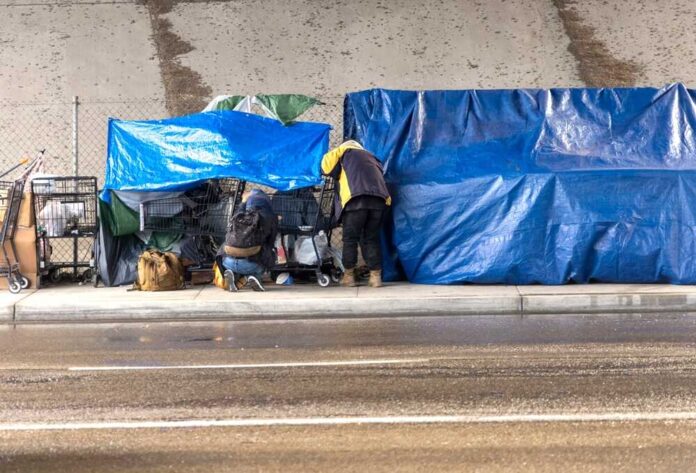
On a frigid January morning in Atlanta’s Sweet Auburn neighborhood, city crews moved in to clear a homeless encampment just blocks from the historic Ebenezer Baptist Church. Amid the rush to ready the area for Martin Luther King Jr. holiday events, tragedy struck: Cornelius Taylor, a 46-year-old father, was inside his tent when a city-operated front-loader crushed him to death. The shocking incident has become the center of a major wrongful-death lawsuit, as Taylor’s family accuses the city and seven municipal workers of negligence.
The lawsuit, filed in Fulton County Superior Court, alleges that city crews failed to follow basic safety procedures, including checking tents for occupants before deploying heavy equipment. According to the autopsy, Taylor suffered multiple pelvic fractures and internal bleeding, with the official cause of death listed as blunt-force injuries.
Watch a report: “Family of homeless man killed when city worker ran over tent files lawsuit” (YouTube)
Public Outcry and Calls for Reform
The incident immediately triggered a temporary halt on all Atlanta encampment sweeps. Advocates, family members, and legal counsel have described Taylor’s death as both preventable and emblematic of systemic failures in how the city manages its homeless population. The sweep, carried out just days before national media attention descended on the area for MLK Day, has drawn condemnation from local and national groups demanding accountability.
City officials have offered condolences but declined substantive comment, citing ongoing litigation. However, the event forced Atlanta to reevaluate its policies: Mayor Andre Dickens convened a task force, and new recommendations—including thermal sensors and stricter protocols—were released in June. Despite these efforts, sweeps resumed this summer as the city braces for international visitors during the upcoming 2026 FIFA World Cup, reigniting fears of more tragedies.
Human Toll and the Policy Debate
Taylor’s family describes him as a devoted father and an avid reader who was working to rebuild his life despite barriers like lost identification. His death galvanized the Justice for Cornelius Taylor Coalition, a grassroots effort to advocate for homeless residents and push for changes in city policy. Relocation efforts for those affected by the sweep have intensified, with several individuals placed in housing since the tragedy.
The wrongful-death suit now stands as a flashpoint in the wider debate over how cities address homelessness amid pressures to “clean up” for major events. With Atlanta under a legal and moral spotlight, the case could set a precedent for municipal accountability nationwide. Whether the lawsuit will force substantive changes or become just another headline remains to be seen—but the questions it raises about safety, dignity, and public policy are now unavoidable.