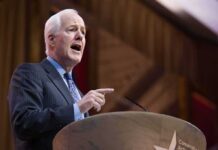
Texas Democrat James Talarico and billionaire Mark Cuban unveiled a plan to “break up Big Medicine,” aiming to force down healthcare and drug costs through antitrust action.
Story Snapshot
- Talarico and Cuban promoted a plan called “Breaking up Big Medicine” at a Fort Worth live event.
- The proposal targets vertically integrated giants across insurers, pharmacy benefit managers, and hospital networks.
- Cuban framed the effort as nonpartisan and focused on lower costs and better care.
- The push echoes federal findings on heavy consolidation among pharmacy benefit managers.
Talarico and Cuban Announce Antitrust Push Against Big Medicine
Texas Senate candidate James Talarico and entrepreneur Mark Cuban promoted a joint plan to attack healthcare consolidation. They labeled the effort “Breaking up Big Medicine” and linked it to lower drug prices and medical bills. They said the plan would shift power back to doctors and patients by curbing large healthcare middlemen. Outlets reported they would appear together in Fort Worth to tout the plan and discuss its goals in front of a live audience.
The pair argued that huge companies now dominate many steps of care and cost decisions. They said the plan would target vertically integrated businesses that bundle insurance, pharmacy benefit managers, and provider networks under one roof. Talarico said that would help cut medical debt and reduce the price of prescriptions. He added that doctors, not insurance companies, should decide treatments for patients, which echoes long-standing concerns about plan denials.
Fort Worth Event Underscores Real-World Rollout
Reporting identified the rollout as a live podcast-style event at the Ridglea Theater in Fort Worth, Texas. Moderator Jessica Tarlov guided the discussion on healthcare reform and the “break up Big Medicine” theme. Multiple outlets described the event, format, and location, which confirms the announcement was not just a press quote but a public forum with an audience and media coverage.
Cuban backed the framing as a cost and quality issue that crosses party lines. He said people of all political views want affordable, better care. He has spent recent years pushing generic drug price transparency through his online pharmacy efforts, which gave him a platform to discuss supply chain markups. His message aligned with the plan’s promise to make prices clearer and to drive competition across the drug channel.
Consolidation Concerns Provide Policy Backdrop
Federal competition officials have flagged rising concentration among pharmacy benefit managers. The Federal Trade Commission said a small group now manages the vast majority of prescriptions nationwide. The agency also highlighted growing vertical ties between pharmacy benefit managers, insurers, and pharmacies. Those ties shape formularies, steer patients, and influence fees paid by local pharmacies, which affects choice and access for families.
Health groups have also described low competition in pharmacy benefit manager markets. Research and policy briefs from medical associations link vertical integration to risks like raising rivals’ costs and limiting choice. These concerns give oxygen to antitrust proposals that focus on separating powerful middlemen from insurers and provider networks. Reformers argue that more competition can help local pharmacies, independent doctors, and patients who struggle with high out-of-pocket costs.
What the Plan Claims and What Details Are Known
Talarico said the plan would reduce medical debt and bring down prescription costs while letting doctors, not insurers, direct care. He named pharmacy benefit managers, insurers, and hospital networks as targets for antitrust action. Coverage tied the announcement to a broader promise to restore competition in healthcare markets. Cuban’s support suggested a push to make the message appeal across party lines by focusing on the pocketbook pain families feel today.
Published reports did not include bill text or a section-by-section policy memo. Outlets summarized goals and mechanisms but did not list specific companies or the exact legal tools the plan would use. The Fort Worth event offered a live discussion, and recordings provide context, but a full transcript or formal proposal was not provided in the reports cited. The campaign and event framing, however, establish the main thrust: use antitrust to unwind vertical power and lower costs.
Sources:
youtube.com, foxnews.com, yahoo.com, audacy.com, rev.com, finance.yahoo.com