

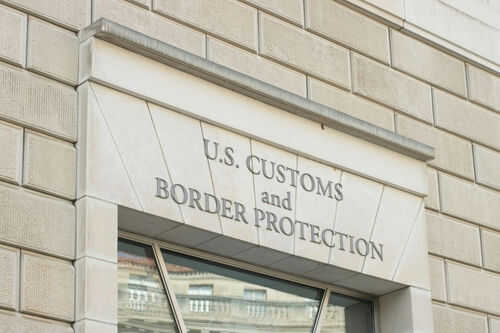
A single threat from DHS could turn “sanctuary city” politics into a real-world travel choke point by stripping customs staffing from major international airports.
Quick Take
- DHS Secretary Markwayne Mullin said he is considering pulling CBP operations from international airports in sanctuary jurisdictions that refuse to cooperate with ICE.
- Without CBP inspection and passport processing, affected airports could effectively lose direct international arrivals and be forced into reroutes.
- As of April 7, 2026, DHS has not announced a formal policy, timeline, or target list—only a “hard look” at the idea.
- The proposal would escalate a long-running federal-local clash over immigration enforcement and likely trigger legal challenges.
Mullin’s Warning: Cooperation With ICE or Lose Customs Capacity
DHS Secretary Markwayne Mullin raised the possibility of withdrawing U.S. Customs and Border Protection operations from international airports located in sanctuary cities and states. In a televised interview, Mullin framed the concept as a resource-allocation decision: prioritize federal staffing for jurisdictions that “want to work with” immigration enforcement rather than those that limit cooperation. The practical effect could be immediate for travelers, because CBP staffing is essential to processing international arrivals.
The reporting makes clear that, so far, this is not an implemented order. As of April 7, outlets covering the interview said DHS and CBP did not announce a finalized plan, and no formal guidance was released to airports or airlines. That matters because the difference between a media signal and a signed directive is where operational realities—contracts, staffing, airline scheduling, and litigation risk—start to collide with political messaging.
Why CBP at Airports Is a High-Leverage Pressure Point
International airports depend on CBP officers to run inspection areas, check travel documents, and process lawful entry. If CBP services are reduced or removed, airlines cannot simply “work around” that gap at the same airport; international arrivals typically require inspection on arrival. Reports about Mullin’s comments argue that the likely outcome would be canceled routes or forced rerouting to other airports where CBP remains in place, shifting traffic to compliant jurisdictions.
The targets discussed in coverage are not minor facilities. The broader sanctuary map includes large “blue” metro areas and major hubs—exactly the kind of airports that anchor regional business travel, tourism, and freight connections. When federal officials talk about customs staffing at those hubs, the pressure is not limited to city hall; it spreads to airlines, chambers of commerce, airport authorities, and millions of travelers who may have nothing to do with the sanctuary policy fight.
The Backdrop: Years of Federal Pushback Against Sanctuary Policies
The current dispute sits on top of a longer federal effort to force sanctuary jurisdictions to stop blocking immigration enforcement. Coverage points to a key precursor in August 2025, when then-Attorney General Pam Bondi sent cease-and-desist letters to dozens of sanctuary jurisdictions, warning of consequences tied to compliance. That approach echoed earlier Trump-era strategies: use federal power—especially grants and conditions—to press cities and states to cooperate with immigration law.
Washington state’s sanctuary framework illustrates the kind of restrictions that frustrate federal enforcement. Reporting describes rules that limit local assistance in civil immigration enforcement, constrain data sharing, and restrict certain types of detainers or interviews tied to immigration status. Supporters of these laws argue they protect communities and prevent local police from becoming immigration agents. Critics respond that such policies create predictable gaps after entry processing, undercutting ICE’s ability to act once someone is in the interior.
Political and Legal Stakes: Federal Authority vs. Local Resistance
Mullin’s comments instantly triggered sharply different reactions across the media ecosystem. Some coverage described the idea as principled enforcement of federal law and a rational triage of limited CBP resources; other coverage characterized it as retaliation that would harm local economies and ordinary travelers. The split reflects a core national tension: immigration is a federal responsibility, yet many local governments use policy and procedure to limit cooperation with federal civil enforcement actions.
Legal friction looks likely if DHS moves from talking to acting. Past sanctuary-city battles often turned on whether Washington can attach conditions to funding or compel certain cooperation, and courts have sometimes narrowed federal leverage while still recognizing federal primacy in immigration. The sources available here do not include a detailed legal memo from DHS, and no final policy language has been published, so the clearest takeaway is uncertainty: the “hard look” could become a courtroom test with major operational consequences.
Sources:
New DHS Secretary Considers Removing International Flights From ‘Sanctuary Cities’
ICE Cowboy Plotting to Sabotage America’s Biggest Airports
DHS Secretary Signals “Hard Look” at Pulling Customs from Sanctuary City Airports