
An international court will try a sovereign nation’s former leader even after that nation withdrew from the treaty, raising sharp questions about borders, power, and precedent.
Story Highlights
- International Criminal Court judges say they still have jurisdiction over alleged crimes in the Philippines before March 2019.
- Judges confirmed three crimes-against-humanity charges for trial against Rodrigo Duterte.
- Court records cite Philippine police and government documents as core evidence in the case.
- Duterte was arrested, transferred, and appeared before judges; this is not a trial in absentia.
ICC Judges Affirm Jurisdiction Despite Philippine Withdrawal
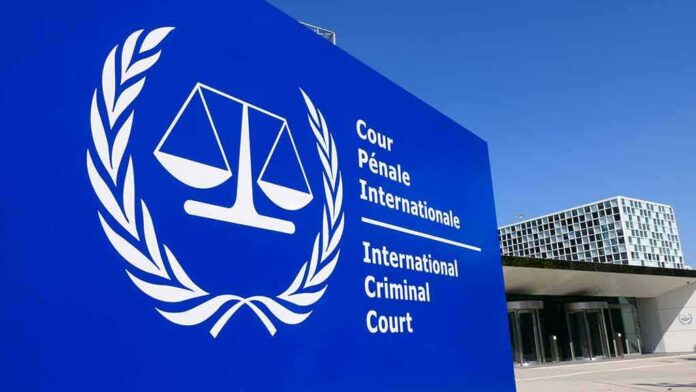
International Criminal Court appeals judges ruled on April 22, 2026, that the court keeps power over alleged crimes in the Philippines from November 2011 to March 16, 2019. The Philippines’ withdrawal took effect March 17, 2019, but judges said leaving does not erase alleged crimes committed while the nation was still a party. The decision sets a live precedent that extends beyond this case and signals to other countries that exit may not end exposure for past acts.
Conservatives who value national sovereignty will see the risk. A global court reached back into a country that had already walked away. The judges base this on the Rome Statute’s rules about how withdrawal works. They say the preliminary steps started in time. The defense disagrees, but the court’s ruling controls the trial. The clear takeaway is simple: membership created a tail of legal exposure that outlived the Philippines’ choice to leave.
Charges Move Forward After Judicial Screening
On April 23, 2026, a three-judge panel confirmed all charges against Duterte for crimes against humanity: murder and attempted murder. The judges found substantial grounds to believe he bears responsibility as an indirect co-perpetrator or by ordering, inducing, or aiding and abetting. That finding clears the case for trial, but it is not a conviction. Guilt must be proved beyond a reasonable doubt later, after witnesses and documents are tested in open court.
The prosecution says its case rests on signed memoranda and orders, official police and government records, and drug-watch lists that named targets. These are not only public quotes or press clippings. The filings point to paper trails that link policy to operations. Some of these records remain under seal or redacted for now. That secrecy protects witnesses and the process, but it also limits what the public can verify today.
Custody, First Appearance, and Trial Logistics
In March 2025, Philippine authorities executed a court warrant and placed Duterte in custody for transfer to The Hague. He then made his first judicial appearance, and judges set the confirmation hearing that led to the current trial posture. Court summaries also describe steps to ensure he can take part, with adjusted hours, interpretation, and time for the defense to confer. These measures show a live defendant with counsel, not a show trial on paper.
The court’s record also shows adversarial review before trial. Judges weighed defense objections on jurisdiction and disclosure and reclassified some materials to increase access. That is standard due process in international cases. Yet key evidence and annexes stay confidential for now. That gap will invite debate on fairness, credibility, and whether protected testimony can be tested well enough through cross-examination.
Defense Strategy and Sovereignty Concerns
Duterte’s lawyers argue the killings were not crimes against humanity. They say prosecutors cannot prove a widespread or systematic attack on civilians or a policy to murder. They also insist any crimes should be tried in Philippine courts, not in The Hague. This line hits a nerve for many Americans: the people of a nation should judge their own leaders when they can do so fairly and fully.
SARA: ‘WE DON’T EXPECT A FAIR TRIAL FROM THE ICC’#DuterteAtICC: Vice President Sara Duterte said she does not expect a fair trial for her father, former president Rodrigo Duterte, before the International Criminal Court, claiming the tribunal wants to "make a statement"… pic.twitter.com/r3umu2nX2v
— Philstar.com (@PhilstarNews) November 28, 2026
The defense questions links tying Duterte to specific killings and warns about tainted witnesses and political pressure. These claims will get tested at trial. The court says it will run a fair, transparent process. The legal bar is high, and the prosecution must connect documents, orders, units, and incidents to prove intent and control. Until verdict, Duterte is presumed innocent. The confirmation ruling only opened the door to a full airing of evidence.
Why This Matters for Americans
American readers should watch this case for its reach beyond one country. The ruling tells other states that signing global treaties can carry long aftereffects. That should push leaders to guard sovereignty, define clear exit rules, and keep justice at home. It also reminds us that due process must be visible. Sealed files and protected testimony can be necessary, but they must be balanced with real defense rights and public trust in the result.
Sources:
icc-cpi.int, astig.ph, newswatchplus.ph