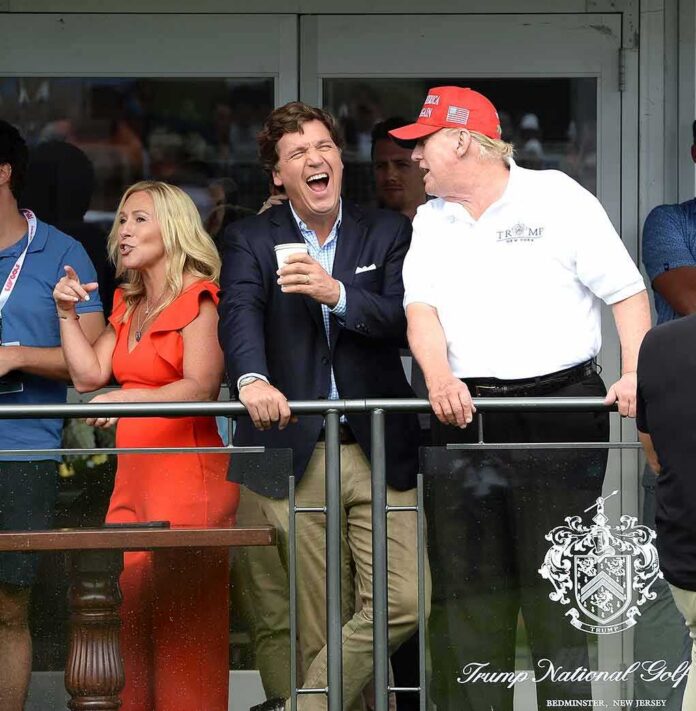
A coordinated push by clergy to strip ads from Tucker Carlson’s show turns faith into a pressure campaign against Christian viewers’ choices.
Story Snapshot
- More than 70 Christian leaders urged a faith-based studio to stop advertising on Carlson’s network.
- The petition followed a guest’s claim that Christianity is “socialism at its core,” sparking backlash and counter-backlash.
- A Catholic prayer app’s Lenten sponsorship of Carlson drew boycott calls and support, showing a split in the pews.
- Critics dispute Carlson’s Israel-related comments, fueling the culture-war cycle around what “Christian” means in public life.
Faith Leaders Organize Advertiser Pressure Against Carlson
Christian clergy and advocates sent a petition to Angel Studios, a faith-focused entertainment company, asking it to pull ads from the Tucker Carlson Network. Organizers cited an interview in which a guest claimed Christianity is “socialism at its core,” arguing the segment misrepresented core doctrine. The letter gathered more than 70 signers, including pastors and scholars, and asked the studio to consider the impact on believers who expect sponsors to guard Christian teaching from political spin.
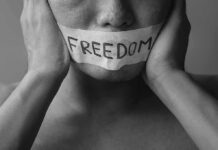
The push targeted advertising, not platform removal, but it aimed to hit revenue and signal moral concern. Supporters of the petition framed it as stewardship of Christian witness in media. They said sponsors shape what messages rise. Detractors called it soft censorship by economic means, warning that organized boycotts narrow debate and punish viewers who can judge content for themselves. Even some progressives argued advertisers should let audiences decide rather than choke off funding.
Lenten Sponsorship Fight Shows a Split in the Pews
A separate dispute erupted when Hallow, a Catholic prayer and meditation app, sponsored Carlson’s program during Lent. Some users called for boycotts of the app and any partners tied to the show. Others defended the sponsorship as outreach to a large audience, stressing that prayer resources should meet people where they are. The reaction showed how quickly Christian brands now get pulled into partisan crossfire over who speaks for believers in public life.
These flare-ups mirror a wider pattern around media figures and faith labels. A controversial clip circulates, advocacy leaders mobilize, advertisers feel heat, and the argument shifts from ideas to influence. That cycle often rewards the loudest claims and reduces room for careful debate. For churchgoing families, the risk is clear: cultural referees try to decide which voices may be heard, while faithful consumers lose options and trust in gatekeepers who press economic levers instead of open arguments.
Disputes Over Israel Commentary Fuel the Backlash
Much of the current friction traces to Carlson’s comments tying Israel policy and Christian identity. The Anti-Defamation League has criticized him for framing Israel as hostile to Christian heritage. That charge became a rally point for faith leaders who oppose his line and warn it harms Christian-Jewish ties. Carlson’s supporters counter that hard questions about foreign policy and the church’s role are fair topics. The rift keeps sponsors in the crosshairs as each side seeks leverage.
Data fights then follow. One media analysis challenged the idea that Christians are vanishing in Israel, citing official statistics that show growth in the Christian population and a small share of overall residents. That report undercut a claim used in some critiques and added fuel to those urging advertisers to walk away. The dispute shows how fast a talking point can harden into a boycott push, even while facts remain contested in public view.
What It Means for Conservative Christians and Free Speech
Advertiser warfare now substitutes for persuasion, and viewers pay the price. When sponsors are pressured to police speech, the market of ideas shrinks. Conservatives who value free expression should notice the method at work: target sponsors, starve debate, and set a precedent that can swing against any faith voice tomorrow. The better path is open argument, clear disclosure, and letting adults choose what to watch, read, or support with their dollars.
Tucker Carlson is conducting the popular-media phase of a counter-Protestant revolution. He is teaching American Christians of all denominations who were raised with individual liberty and freedom
of conscious to distrust the Protestant theological traditions that shaped the… pic.twitter.com/rw6h0hH5rM— Insurrection Barbie (@DefiyantlyFree) August 4, 2026
President Trump’s second-term agenda stresses religious liberty and the right to speak truth without elite filters. That standard should also guide conservatives in media fights. Christians can reject any claim that twists Scripture and still oppose sponsor chokepoints that silence discussion. Boycotts have a place when lines are crossed into overt hate or lawlessness. But broad sponsor strikes over disputed commentary risk mission creep, confusion, and the slow loss of cultural ground to unelected gatekeepers.
Sources:
facebook.com, linkedin.com, reddit.com, youtube.com