

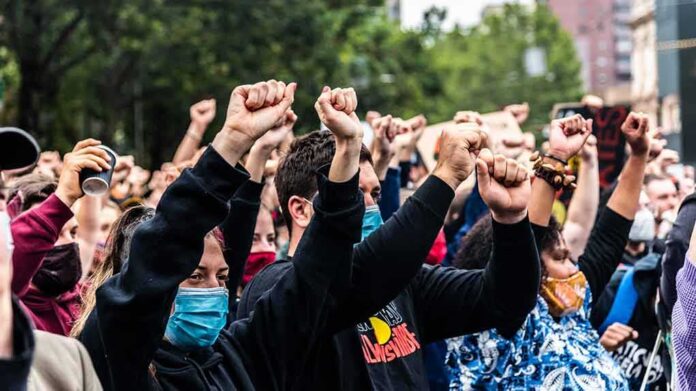
Madison canceled beloved festivals and shut streets as protests over the Corey Ruiz police shooting overwhelmed city life and strained public safety resources.
Story Highlights
- AtwoodFest and other events were canceled as protests intensified across Madison.
- Family attorney Ben Crump demanded criminal charges against the officer who fired.
- Police reported Ruiz had a knife and injured an officer before shots were fired.
- Wisconsin’s Department of Justice opened an independent investigation; officers are on leave.
Citywide Disruptions After Deadly Shooting
Event organizers canceled AtwoodFest, a major summer music festival, after the police shooting sparked days of protest and street closures on Madison’s east side. City leaders cited safety needs and strained police resources as demonstrations grew and moved into key corridors. Residents faced detours, shuttered stages, and tense scenes near Williamson and Baldwin, the site of the shooting. The disruptions hit local shops and vendors who had prepared for a busy weekend, adding economic pain to civic anger.
Officials said they aimed to keep people safe while allowing peaceful protest, but the balance proved hard. Demonstrators flooded public meetings and even took over a press briefing with the police chief and the mayor, demanding answers and video releases. Crowds gathered for vigils and marches each night. Some residents called for calm and patience. Others argued the city was ducking accountability by shutting down events instead of releasing full evidence now.
What Police And Witness Accounts Say So Far
Madison police said officers tried to arrest Ruiz during a daytime encounter that turned into a struggle. Police stated Ruiz produced a knife, less-lethal efforts failed, and one officer was injured before another officer fired the fatal shots. Reports said only one officer used a gun while others attempted a Taser, narrowing the focus to the shooter’s decision-making in a fast, dangerous moment. Multiple bystander videos captured parts of the incident, creating key evidence for investigators.
The public record still has gaps that fuel doubt. Madison has limited body-camera deployment, so there is no complete officer-worn video of the shooting. The state has not yet released the medical examiner’s report, full ballistics, or a synchronized timeline from all phone clips. Without those items, advocates say the narrative rests too much on police statements. Supporters of the officers counter that knife assaults are immediate threats and demand split-second choices under stress.
Independent Investigation And Next Steps
The Wisconsin Department of Justice’s Division of Criminal Investigation took the lead, as required for officer-involved shootings. The involved officers were placed on leave while the state gathers interviews, analyzes videos, and prepares a referral for prosecutors. City officials vowed to cooperate fully and release the officer’s name per policy once certain steps are done. Leaders urged residents to allow the legal process to run its course before final judgments are made.
The Madison, Wisconsin, press conference centered on the fatal police shooting of 38-year-old Corey Ruiz, who was killed during an attempted arrest on July 22.
According to Madison Police Chief John Patterson, officers were responding to reports of a man trying to enter… pic.twitter.com/CBhr88Awsy
— Mighty News (@Mighty__News) July 25, 2026
Ben Crump, who represents the Ruiz family, called the shooting an “execution” and urged criminal charges, turning Madison into a national flashpoint again. Conservative readers know this script: high emotion, partial video, and immediate pressure for arrests before forensics land. The clear path forward is evidence, not slogans. Release the full video set, synchronize the clips, publish the autopsy and trajectory findings, and show the use-of-force policy that governed each step. Facts, not fury, should decide outcomes.
What This Means For Public Safety And Order
Communities cannot afford a cycle where protests shut down civic life whenever facts are incomplete. Families deserve truth. Officers deserve fair review. Small businesses deserve weekends without sudden cancellations. Madison’s leaders should commit to fast, transparent evidence releases on a firm timeline, paired with firm protection of peaceful protest and zero tolerance for violence. That mix respects rights, supports law and order, and keeps streets open so the city can work, worship, and gather without fear.
Sources:
washingtontimes.com, usnews.com, madison365.com, nbc26.com, youtube.com, wsws.org, wpr.org