

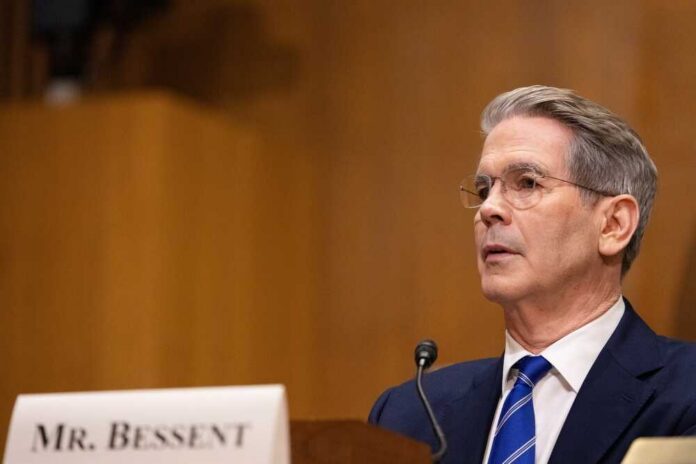
Senator Ron Wyden’s push to force open Jeffrey Epstein banking files met a scorching rebuttal from Treasury Secretary Scott Bessent, who says there are no hidden records and that Congress must follow the law.
Story Highlights
- Wyden demands Treasury hand over Epstein-related bank files and suspicious activity reports to the Senate Finance Committee [2].
- Treasury counters there are no hidden files and says requests follow longstanding protocols, including strict handling of suspicious activity reports [2].
- Hearing-room clashes underscore a broader fight over congressional access versus confidentiality in financial intelligence [10].
- Limited in-person review of some records reportedly occurred, but production disputes remain unresolved [10].
Wyden Presses Treasury to Release Epstein-Related Financial Records
Senator Ron Wyden, the top Democrat on the Senate Finance Committee, formally demanded that the Treasury Department release all files tied to Jeffrey Epstein, including records of transactions involving alleged co-conspirators and related suspicious activity reports, according to ABC News reporting [2]. Wyden framed the request as a transparency test for Treasury and the Internal Revenue Service, pressing for committee access rather than public disclosure. The ask escalates a years-long inquiry he has led into financial ties linked to the disgraced financier [2].
Wyden’s office has previously asserted that Treasury has responded too slowly and too narrowly to committee requests and that the committee requires fuller production to perform oversight. He has sought to formalize access through legislation, and survivors of Epstein’s crimes have publicly supported a bill to compel handover of bank records, highlighting the moral weight behind the committee’s probe [11]. The legislative path has faced resistance, and efforts to mandate production have met procedural and political headwinds [8][11].
Treasury’s Rebuttal: No Hidden Files, Follow the Protocols
The Treasury Department, through public statements reported by ABC News, rejected the charge that it is concealing Epstein-related files, stating there are “no hidden files at Treasury” and emphasizing it takes congressional requests seriously while following established procedures [2]. Treasury’s position reflects the legal framework governing suspicious activity reports, which are treated as confidential financial intelligence to protect ongoing investigations and reporting institutions, not as routine documents for broad distribution [2].
Oregon Public Broadcasting reported that Senate staff have been allowed limited, in-person review of certain materials within Treasury, an access model consistent with the department’s controlled-handling approach to sensitive records [10]. That arrangement suggests some accommodation without wholesale production, reinforcing Treasury’s process argument. The narrow access, however, has not satisfied Wyden, who argues that full committee custody is necessary for thorough oversight and accountability in a case with substantial public interest [10].
The Core Tension: Oversight Authority Versus Confidential Financial Intelligence
The dispute tracks a recurring conflict in financial oversight: lawmakers seek broad access for constitutional oversight responsibilities, while the department protects suspicious activity reports as tightly controlled intelligence to shield sources, methods, and active probes [10]. In the Epstein context, the stakes are higher because the public wants clarity on who moved money, when, and why. Congress contends accountability requires comprehensive records; Treasury insists that statutory confidentiality rules limit production pathways [10][2].
Process details matter. Congressional committees can review sensitive materials in secure settings, but custodial transfer or public release of suspicious activity reports runs into legal and policy barriers designed to encourage bank reporting without fear of exposure. Wyden’s strategy to legislate clearer access rules underscores how contested and ambiguous the current framework can be when high-profile cases collide with secrecy norms [11]. The path forward likely hinges on negotiated accommodations or targeted statutory changes defining what committees can receive and how.
What Conservatives Should Watch: Due Process, Real Oversight, No Grandstanding
Conservative readers should separate theatrics from substance. First, laws that safeguard suspicious activity reports exist to protect due process and prevent fishing expeditions that could smear innocent parties. Second, real oversight can still occur through structured, lawful access that respects confidentiality. Third, sweeping demands untethered from legal channels risk politicizing financial intelligence and undermining cooperation from banks, which ultimately hurts efforts to track real criminals and foreign threats [2][10].
Secretary Scott Bessent’s stance places the Trump administration on the side of disciplined process: cooperate with Congress, but do it by the book and without compromising investigative tools or privacy protections [2][10]. If the Senate wants broader access, it can pursue narrowly tailored statutory updates that preserve confidentiality while enabling rigorous review in secure settings. That approach protects constitutional oversight, individual liberties, and the integrity of financial crime detection—without turning sensitive intelligence into political theater [10][11].
Sources:
[2] Web – [2026-04-09] Following Meetings with Top Treasury Official, Wyden …
[8] YouTube – Ron Wyden And Scott Bessent Spar Over Questions About Trump’s …
[10] Web – [PDF] September 2, 2025 – Senate Finance Committee
[11] Web – Oregon’s U.S. Sen. Wyden presses U.S. Treasury secretary to … – OPB