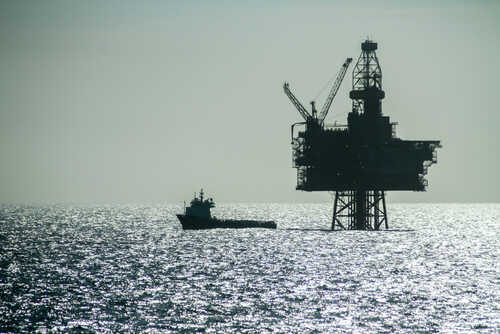
Tony Blair’s think tank demands Labour reverse its North Sea oil ban, echoing President Trump’s call to unleash vast reserves amid Britain’s energy crisis—exposing green ideology’s dangerous gamble with economic security.
Story Highlights
- TBI report urges lifting ban on new drilling licences and cutting windfall taxes to secure affordable domestic energy.
- UK North Sea holds 7.5 billion recoverable barrels worth £165 billion, now producing just one-third of 1999 levels due to policy restrictions.
- President Trump criticized UK’s underuse of reserves at Davos, aligning with pragmatic push against Labour’s renewables-only push.
- Debate pits energy security and growth against net-zero zeal, with green groups warning of stranded assets.
TBI Report Challenges Labour’s Energy Policy
The Tony Blair Institute for Global Change released its report “Why Britain Needs an Energy-Strategy Reset” on February 13, 2026. This document calls on the UK Labour government to lift the ban on new North Sea oil and gas exploration licences implemented post-2025. It also recommends reducing the Energy Profits Levy, known as the windfall tax. TBI argues these steps address declining production and policy risks driving away investment capital. UK output has fallen to one-third of 1999 levels despite massive reserves.
TBI Senior Policy Adviser Tone Langengen authored the report, criticizing Labour’s “Clean Power 2030” plan. This initiative targets 100 percent clean electricity by 2030 through wind and solar. The institute contends such “emissions-only” focus accelerates basin decline and ignores economic realities. Selective drilling in low-carbon, viable projects would support a balanced net-zero transition without delay. President Trump reinforced this view at Davos in late January 2026, labeling UK energy policy catastrophically misguided given the North Sea’s vast potential.
Historical Decline and Policy Risks Exposed
North Sea production peaked in the late 1990s and early 2000s. Labour’s 2024 election victory locked in no new licences after 2025, phasing out fossil fuels to fund net-zero goals. High taxes compound the ban, hastening capital flight to more favorable regions. TBI estimates 7.5 billion barrels remain recoverable, potentially generating £165 billion in revenue. This domestic supply could cut import dependence and stabilize prices amid global volatility, much like the 2022 energy crisis spurred temporary licences.
Labour leaders Keir Starmer and Energy Secretary Ed Miliband prioritize renewables. They dismiss fossil reliance as short-sighted, favoring home-grown clean power over petrostates. Yet TBI warns current policies erode public consent for net-zero by hiking costs and risking blackouts. Cheaper, secure energy from North Sea fields aids electrification and growth, aligning with common-sense priorities shared across political lines.
Stakeholder Clash and Economic Stakes
Oil and gas producers seek lower taxes and new licences for project viability. North Sea communities face job losses and decommissioning costs without action. Consumers bear high prices from import reliance. TBI positions revival as pragmatic: renewables plus nuclear and targeted drilling form a “UK way” forward. This counters UKSIF’s push for renewables auctions like AR7, which promise green jobs but overlook affordability gaps.
UKSIF CEO James Alexander stated on February 13, 2026, that more drilling risks stranded assets and ignores renewables’ growth potential. Labour sources echo this, insisting clean power is the mainstream path. UCL analysis notes gas turbines cost 50 percent more than recent wind, yet TBI challenges overall affordability. The debate divides Labour internally—Blair’s legacy versus Miliband’s ideology—while Trump’s endorsement adds transatlantic weight.
Short-term, lifting the ban retains investment and eases prices. Long-term, £165 billion bolsters treasury without halting transition, as reserves are finite. Political fallout grows as both conservatives and liberals question elite-driven policies favoring ideology over prosperity. This mirrors American frustrations with overspending and energy costs, where Trump’s America First drills aggressively for security.
Sources:
Tony Blair urges Labour to reverse ban on new oil drilling licences in North Sea
Tony Blair calls for Labour to keep drilling oil in North Sea
Tony Blair Think Tank Calls For North Sea Oil Revival
UKSIF statement on Tony Blair Institute call for North Sea oil and gas drilling