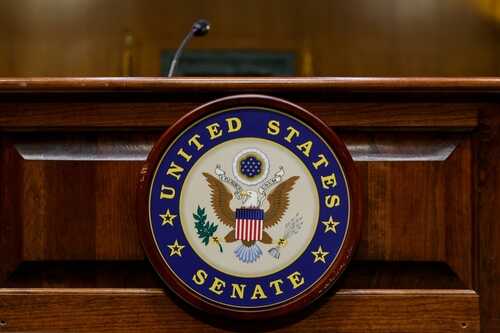
Senate inaction on key Trump nominees threatens to weaken national security and erode institutional stability.
At a Glance
- More than 150 Trump administration nominees remain stalled in the Senate as of July 2025.
- Vacancies persist across national security, diplomatic, and law enforcement posts.
- Senate Majority Leader John Thune is weighing procedural escalation to force votes.
- Partisan divides and Senate rules contribute to a paralyzed confirmation process.
- Recess appointments are under consideration as the Senate nears adjournment.
A Broken Confirmation Pipeline
The Senate’s confirmation machinery has ground to a near standstill, with over 150 nominees awaiting action. The positions range from high-level national security roles to key diplomatic posts and critical legal appointments. Without confirmed leadership, agencies like the State Department, Department of Defense, and Department of Justice face mounting operational strain.
Traditionally, the Senate has expedited low-profile nominations through unanimous consent. But as partisan tensions have deepened over the past two decades, that norm has unraveled. In President Trump’s second term, following the razor-thin outcome of the 2024 election, Senate Democrats have increasingly used procedural delays to slow confirmations, citing opposition to administration policies.
Watch a report: US Congress LIVE: Senators Clash Over Trump Nominees · US News (YouTube)
Strategic Brinkmanship
Senate Majority Leader John Thune now finds himself at a crossroads. Facing growing frustration from the White House and Republican colleagues, Thune is reportedly considering procedural moves including around-the-clock sessions or forcing a formal recess that would allow Trump to make unilateral appointments.
Within Republican ranks, opinions vary. Some lawmakers urge aggressive measures to break the logjam and install loyalists essential to Trump’s agenda. Others remain cautious, wary of further eroding Senate norms that could haunt the GOP in future minority status.
Meanwhile, Democrats continue to resist rapid confirmations, arguing for more scrutiny and expressing concerns about ideological loyalty and qualifications. The result is a political deadlock where neither side shows signs of backing down, and the real cost is borne by understaffed agencies and delayed policy implementation.
Institutional Stakes
The ongoing standoff has profound implications beyond the current administration. National security experts warn that extended vacancies in senior roles compromise the government’s readiness to respond to global threats. In diplomacy, the absence of Senate-confirmed ambassadors undermines the United States’ strategic posture and weakens bilateral ties.
Long-term, this confirmation paralysis risks setting a precedent where no administration—Republican or Democrat—can reliably staff its executive branch. If President Trump invokes his recess appointment authority, he may face legal challenges and deepen the confrontation between the executive and legislative branches.
Ultimately, resolving the gridlock will require either a dramatic procedural shift or a rare outbreak of bipartisanship. Until then, the machinery of government remains under strain, with critical posts unfilled and the nation’s capacity for leadership weakened at a precarious moment.