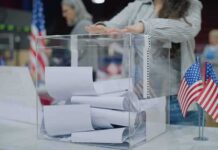

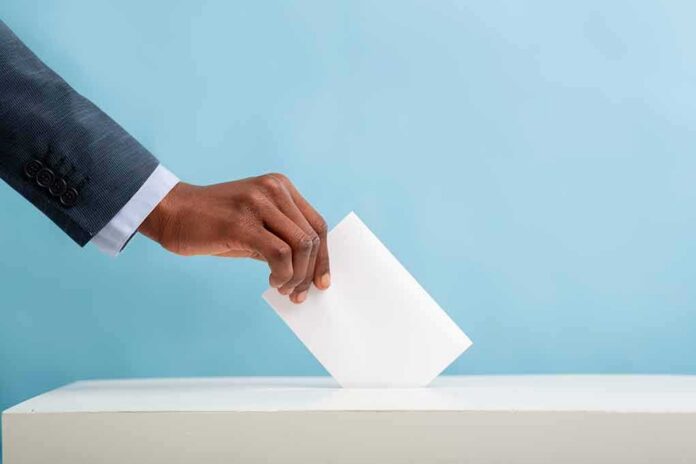
A Pennsylvania voter says someone cast a ballot in his name before he arrived, exposing a glaring hole where most voters are not asked for identification.
Story Highlights
- A named voter reported that poll workers said a ballot was already cast in his name and address.
- Pennsylvania generally does not require identification for voters who have previously voted at that polling place.
- Poll workers offered a provisional ballot, which is standard when eligibility is in doubt.
- State guidance directs voters to report issues to county election boards or district attorneys.
What The Voter Reported At The Polls
Jean Franco Urbaez went to vote in Pennsylvania and said poll workers told him a ballot had already been cast in his name and address. He explained that workers then offered him a provisional ballot so he could still vote while the situation was reviewed. His account highlights a real risk that occurs when identity is not checked for returning voters. It also shows how the system uses provisional ballots when there is a conflict.
Pennsylvania officials explain that provisional ballots act as a safeguard when eligibility is uncertain. County boards later confirm if the vote should count. This process aims to protect both the voter and the election record. While a provisional ballot lets the voter participate, it often means a delay before the vote is accepted. Voters are told they can check later to see if their provisional ballot was counted and why.
Identification Rules In Pennsylvania
Pennsylvania law requires identification only for first-time voters at a polling place or first-time voters in a new precinct. If a person has voted there before, poll workers generally do not ask for identification. That rule is long-standing and is posted by state and local offices. Officials also advise that voters who face problems at the polls can seek a provisional ballot and report concerns to county election boards or a district attorney.
These rules mean most regular voters can cast a ballot by name and address alone. That design aims to keep lines moving and make voting simple. But it also creates a point of weakness if someone attempts to vote as another person. When that happens, the safeguard is to issue a provisional ballot and trigger a review after Election Day. Supporters see this as a balance. Critics view it as an open door for mistakes or abuse.
How Provisional Ballots Work And Why They Matter
Poll workers must offer a provisional ballot when a voter’s eligibility is not clear at check-in. The voter fills out a paper ballot and an affirmation. After the election, county officials verify the voter’s registration status, whether a mail ballot was already received, and whether the person was at the right precinct. If the voter is eligible, the ballot is counted. If not, it is rejected, and the voter may receive an explanation.
Provisional ballots protect both election integrity and voter rights. They prevent double counting while giving the voter a path to be heard. They also create a paper trail for investigators if there is a dispute. State materials describe these ballots as a core backstop for contested cases or data errors. In practice, they are a key tool when poll books and reality do not match, as in the incident the voter described.
Why This Hits A Nerve For Voters
Conservatives see this report as proof that identity checks matter. When most returning voters are not asked for identification, a bad actor could impersonate a voter and force the real voter into a slower, uncertain process. That is not how confidence grows. Clear rules, quick checks, and strong records are basics in daily life. Many readers expect the same at the polls, especially when one lawful vote can be canceled by one wrongful act.
State guidance already urges voters to report problems to county boards or to a district attorney. That step helps officials review poll books, mail ballot records, and system logs to resolve the facts. In this case, the voter was offered a provisional ballot, which follows the rulebook. The larger policy choice remains with lawmakers and local officials: keep current identification rules, or tighten them so poll workers verify more identities up front while keeping lines moving.
Sources:
thegatewaypundit.com, pa.gov, attorneygeneral.gov