TotalEnergies shut down a massive Saudi refinery processing 465,000 barrels daily after devastating attacks, exposing America’s dangerous reliance on unstable foreign oil amid endless Middle East chaos.
Story Snapshot
- TotalEnergies halted operations at the SATORP refinery in Jubail, Saudi Arabia, following damage from overnight attacks on Tuesday to Wednesday.
- Saudi Arabia faces over 1.3 million barrels per day in production losses, including 600,000 bpd from refineries and 700,000 bpd from the East-West Pipeline disruption.
- Multiple key sites like Ras Tanura, SAMREF, Riyadh refinery, and others suspended amid suspected Iranian involvement post-ceasefire.
- One Saudi worker killed, seven injured; global oil markets brace for price surges and supply shocks.
Refinery Shutdown Details
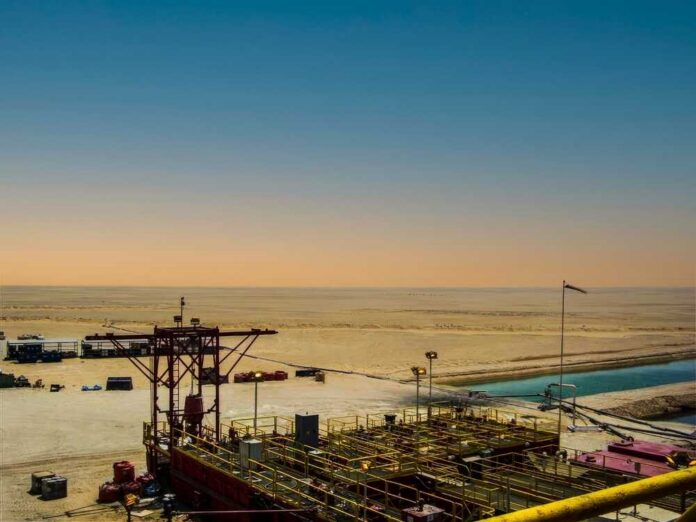
TotalEnergies announced on Friday the shutdown of a processing train at the SATORP refinery in Jubail, Saudi Arabia. The facility, a joint venture with Saudi Aramco, sustained damage from incidents occurring Tuesday night through Wednesday morning. Company executives halted operations as a safety measure, with no casualties reported at SATORP. Assessments continue to determine full impacts on the 465,000 barrels per day capacity site.
Saudi Aramco, the majority owner, operates SATORP as one of the world’s largest refining complexes. The shutdown compounds broader disruptions across Saudi energy infrastructure. Attacks also hit Ras Tanura, SAMREF in Yanbu, Riyadh refinery, Manifa, Khurais facilities, and the critical East-West Pipeline. These strikes followed a ceasefire, raising suspicions of deliberate escalation by Iranian proxies.
Escalating Attacks on Energy Infrastructure
Saudi sources confirmed suspensions at multiple sites, with production cuts reaching 600,000 barrels per day from refineries alone. The East-West Pipeline saw a 700,000 bpd throughput decline, crippling exports from key hubs in the Eastern Province, Riyadh, and Yanbu. Total losses exceed 1.3 million bpd, hitting Saudi revenue hard as crude exports hover around 1.37 million bpd baseline.
One Saudi industrial security worker died, and seven others suffered injuries in the strikes. Previous incidents, like the Ras Tanura drone attack that forced a shutdown, reveal a pattern targeting energy assets. Saudi Aramco prioritizes restoration, but no restart timelines exist for affected facilities. Qatar and Iraqi Kurdistan also curtailed output amid regional fallout.
Geopolitical Tensions and Suspected Iranian Role
The attacks occur amid heightened US-Iran tensions and ongoing Middle East conflicts. Sources point to Iran as the likely culprit, aiming to undermine Saudi energy dominance despite a recent ceasefire. Saudi’s role as OPEC+ swing producer leaves it vulnerable to asymmetric drone and missile strikes, even as Aramco-TotalEnergies ties highlight French-Saudi energy partnerships.
Both conservatives and liberals share frustration with federal failures to shield Americans from such foreign dependencies. Past globalist policies inflated energy costs through renewable mandates, while endless wars drained resources without securing supplies. President Trump’s America First agenda pushes domestic fossil fuels, yet events like this underscore the elite deep state’s neglect of self-reliance and limited government principles.
TotalEnergies says Saudi refinery shut down after strikes.https://t.co/NFlcoEzQeu
— The Peninsula Qatar (@PeninsulaQatar) April 10, 2026
Global markets face immediate refined product shortages and volatility. Long-term, Gulf refineries must upgrade defenses against drones, amplifying OPEC+ supply risks. Americans pay the price at pumps, fueling bipartisan anger at Washington insiders more focused on reelection than protecting the American Dream of prosperity through hard work.
Sources:
TotalEnergies shuts Saudi refinery after damage from Middle East attacks
Energy Shock: TotalEnergies’ SATORP Refinery Hit in Saudi Arabia
Saudi suspends operations at key energy sites after Iranian attacks