U.S. forces struck key Iranian military sites after Tehran’s drone hit a commercial ship and broke the ceasefire, defending vital sea lanes and American credibility.
Story Highlights
- Central Command said the June 26 strikes answered Iran’s drone hit on the M/V Ever Lovely the day prior.
- President Trump called the attack a ceasefire violation and ordered targeted strikes to deter more hits on ships.
- Targets included drone depots, radar, and mine-laying sites to protect freedom of navigation.
- Iran denies blame and claims the U.S. breached the truce, setting up a narrative fight over who violated what.
U.S. Response Focused on Stopping Attacks at Sea
United States Central Command reported precision strikes on June 26 against Iranian military sites tied to ship attacks, one day after a drone hit the M/V Ever Lovely in the Strait of Hormuz. The command described the targets as locations used to store drones and missiles and to track or threaten ships. United States officials framed the action as a direct and limited response to guard commerce. The message was simple: stop hitting civilian vessels, or pay a price for doing so.
Reporters pressed for specifics on the targets and mission goal. Central Command and follow-up reporting described hits on coastal radar, drone storage, and mine-laying infrastructure. Those sites threaten tankers and crews that carry oil to the world. Securing the Strait of Hormuz matters because a large share of global energy moves through those waters. A few drones or mines can spike costs for American families fast, from gas to groceries, through higher shipping and energy prices.
Trump Framed Strikes as Ceasefire Enforcement, Not Escalation
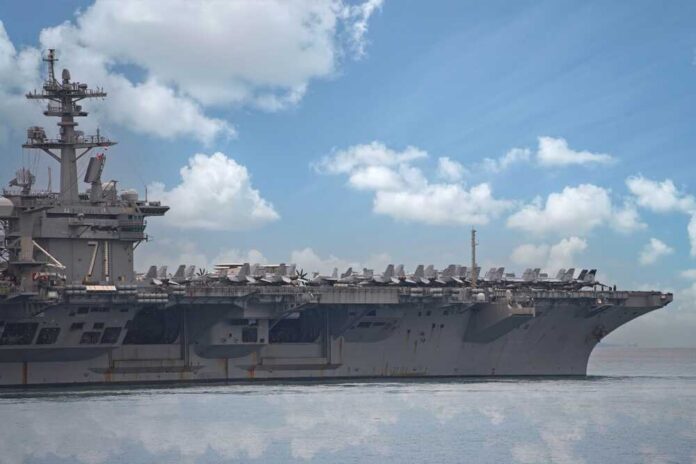
President Donald Trump said Iran’s drone attack broke the truce and demanded a consequence. He argued the strikes were measured and aimed at stopping further aggression, not starting a new war. The administration tied the response to a broader promise: keep sea lanes open and shield Americans from price shocks that come when rogue regimes threaten tankers. United States forces kept a presence in the strait to help coordinate safe passage and deter more attacks. Peace comes from strength, not wishful thinking.
The White House linked these actions to earlier steps against Iran’s illegal programs. In 2025, the administration notified Congress about strikes on nuclear sites to protect vital interests. Iranian officials later admitted severe damage from those strikes, showing that force, when used carefully, can set back bad actors. Some analysts said Iran’s program was delayed, not erased. That debate exists. But a delay still saves time, saves lives at sea, and narrows Tehran’s window for mischief.
Competing Claims From Tehran and Media Pushback
Iranian officials denied hitting the Ever Lovely and accused the United States of breaking the Memorandum of Understanding ceasefire terms. That claim competes directly with Central Command’s statement and President Trump’s account. News outlets echoed the dispute and warned of escalation. Reuters noted the United States said strikes aimed to degrade the tools Iran uses to menace shipping, including drone depots and radar. This clash of narratives is routine: Iran denies, the United States defends sea lanes, and markets watch every move.
Critics argue these actions risk broader conflict and higher oil prices. That concern is real for families already stretched by years of inflation. But allowing unchecked attacks on shipping invites even steeper costs and bolder strikes later. Limited, targeted force can prevent bigger wars by removing the means to threaten civilians on the water. That is the core constitutional duty of our government: defend Americans, deter enemies, and keep commerce free from coercion.
What This Means for America’s Security and Your Wallet
Shipping lanes in the Strait of Hormuz carry a large share of global oil. When Iran targets tankers, the result can be higher pump prices, higher shipping costs, and more strain on seniors and working families. By destroying tools used to stalk or hit ships, the United States reduces risk and signals resolve. Central Command’s posture in the strait backs that signal with real capability. Strong action now can steady markets and keep our economy from new shocks.
The road ahead requires proof and patience. Independent wreckage analysis of the Ever Lovely drone would help settle lingering disputes. More declassified assessments would also clarify Iran’s current capabilities. Until then, facts on the ground matter most: Iran used drones and radar to menace free passage, and the United States hit those tools hard. That is not escalation for its own sake. That is lawful self-defense to protect shipping, workers, and America’s standing as a reliable guardian of the commons.
Sources:
pjmedia.com, youtube.com, reuters.com, bbc.com