
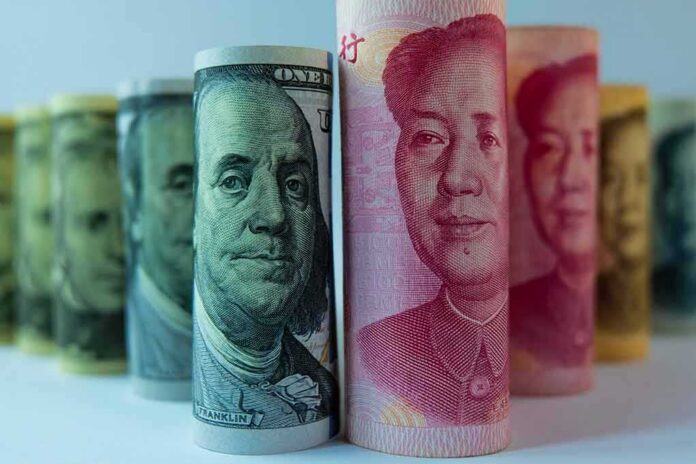
China and Japan rushed to deny “excess capacity” as President Trump’s new tariff plan put them on notice with a formal U.S. trade case on the record.
Story Highlights
- President Trump’s team launched a Section 301 case on excess industrial capacity, paving the way for new tariffs.
- China and Japan rejected the findings and protested the plan, calling it a false premise and regrettable.
- The proposal targets 14 economies with capped tariff rates, with China facing the highest cap and others lower.
- The fight echoes past trade showdowns that used tariffs and negotiated restraints to tackle long-running imbalances.
What the Administration Formally Put on the Record
United States Trade Representative Jamieson Greer opened a formal Section 301 investigation into acts and policies in multiple economies tied to structural excess capacity. The notice cites industrial overproduction that burdens or restricts United States commerce, creating a legal path for tariffs if evidence supports the claim. The administration argues that state-led output and export flooding depress prices, weaken American factories, and shift supply chains overseas. The official record matters because it moves beyond speeches into evidence, findings, and remedies.
President Trump’s plan covers 14 trading partners, including China, Japan, and the European Union, and proposes capped tariff rates by country. Reporting indicates China could face the highest capped rate, layered over existing duties in some sectors, with lower caps for others. The structure aims to counter output surges that hit core industries like metals, machinery, batteries, and autos. The administration says these measures protect American workers and deter state-driven gluts that undercut fair market prices.
How China and Japan Pushed Back
China’s Foreign Ministry called the “overcapacity” basis a false premise and warned against using it as a pretext for political manipulation. Japan’s Chief Cabinet Secretary Minoru Kihara said Japan does not have structural excess production capacity or nonmarket policies and called the proposed action regrettable. Tokyo said it had lodged its objections with Washington. These statements reject the core United States claim and seek to frame the issue as normal competition, not distortion.
These denials do not address the United States legal process that is now underway. The Section 301 proceeding builds a record and can impose tariffs tailored to sectors or products if findings show harm to American commerce. The split is clear: Washington points to policy-driven gluts and market flooding, while Beijing and Tokyo argue the claims are political. The outcome will turn on evidence gathered, the United States determination, and the pressure that new tariff caps place on targeted exports.
What It Means for American Families and Factories
American producers face a basic choice: accept years of dumped goods and plant closures, or draw a line that says the United States will not be a warehouse for state-led overproduction. The administration’s move signals that trade rules must serve working families, not foreign ministries. Past showdowns with Japan in the 1980s led to export restraints and targeted deals that stabilized sectors and kept capacity closer to demand, even if imperfectly.
Consumers worry about prices, and that is fair. But chronic gluts can kill entire supply chains and erase middle-class jobs for a generation. A measured tariff backstop, tied to a formal record, can push talks, rebalance terms, and defend strategic industries. If China and Japan believe their practices are market-based, they can open their books and negotiate in good faith. Until then, the United States should secure its shop floor and its future with clear, lawful tools.
Sources:
youtube.com, seattletimes.com, miamiherald.com, mainstreetindependent.com, swissinfo.ch, jen.jiji.com