A classic riddle linking Monica Lewinsky to Margaret Thatcher, Elvis, Cher, Bill Cosby, and the Pope reveals how Saturday Night Live weaponized satire to shape public memory—and how the entertainment industry’s mockery perpetuated lasting stigma against conservative values and personal dignity.
Story Snapshot
- The riddle’s answer: all six figures were impersonated on Saturday Night Live, showcasing the show’s cultural dominance in defining public perception.
- SNL’s 1998 Monica Lewinsky sketches during the Clinton scandal fueled viewership spikes and normalized relentless celebrity mockery.
- The riddle bundles scandal-tainted individuals with icons, reflecting how liberal media institutions weaponize satire to diminish personal accountability and traditional values.
- Monica Lewinsky’s transformation into anti-bullying activist contrasts with SNL’s perpetuation of her as punchline, underscoring media’s role in eroding dignity.
SNL’s Cultural Grip Through Impersonation
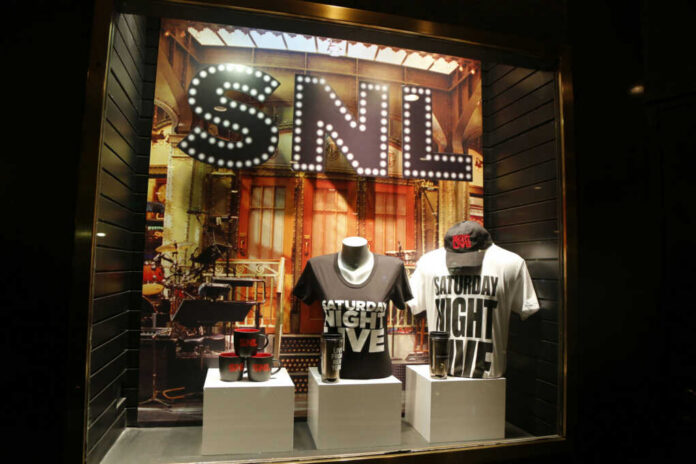
Saturday Night Live established itself as America’s satirical arbiter since its 1975 premiere, targeting political and cultural figures with impersonations that shaped public discourse. Monica Lewinsky became a prime target during the 1998 Clinton scandal, impersonated by cast members as the affair dominated headlines. Margaret Thatcher appeared in political sketches following her 1979 election as UK Prime Minister, portrayed by Jan Hooks among others. Elvis Presley, Cher, Bill Cosby, and Pope John Paul II all became recurring sketch subjects across decades, cementing SNL’s reach into politics, music, comedy, and religion. This riddle’s answer highlights how one NBC-backed institution held unchecked power to mock anyone, regardless of context or consequence.
The Clinton Scandal as Satirical Fuel
The riddle emerged during the height of the 1998 Clinton-Lewinsky scandal, when SNL viewership spiked 20 percent as the show capitalized on impeachment drama. The affair began in November 1995 when Lewinsky was a White House intern, exploding publicly in January 1998 via Matt Drudge’s reporting on physical evidence and followed by President Clinton’s August grand jury testimony. SNL’s Darrell Hammond impersonated Clinton alongside Lewinsky parodies, amplifying the scandal into entertainment rather than a constitutional crisis involving presidential misconduct and abuse of power. This exemplifies how liberal media prioritized mockery over accountability, trivializing serious breaches of trust and family values while advancing narratives that shielded Clinton from full scrutiny of his actions.
Legacy of Mockery Over Personal Dignity
The riddle’s longevity in trivia apps and pop culture through 2026 demonstrates how SNL’s satirical framing outlasted the scandal itself, reducing Monica Lewinsky to a punchline despite her later anti-bullying advocacy beginning in 2014. Bill Cosby’s inclusion predates his 2018 conviction and 2021 release, illustrating how the riddle blurred lines between victims and perpetrators under the guise of comedy. Margaret Thatcher, a conservative icon who championed limited government and national sovereignty during her 1979-1990 tenure, was mocked alongside figures embroiled in personal scandal, reflecting entertainment industry disdain for traditional conservative leadership. The Pope’s inclusion further reveals disrespect for religious institutions, a pattern that erodes foundational American values of faith and moral authority.
Media Power and Institutional Overreach
SNL executive producer Lorne Michaels wielded cultural influence to define which figures deserved ridicule, with no accountability for lasting reputational harm. The show’s 50th anniversary retrospectives in 2025 revisited 1998 Lewinsky sketches, perpetuating narratives that prioritize entertainment revenue over individual dignity. Media scholars note the riddle exemplifies “scandal memory,” where personal failings are institutionally satirized to normalize celebrity mockery without regard for truth or restoration. This represents a broader pattern of liberal media overreach, where unelected entertainment gatekeepers shape public perception through one-sided narratives. For conservatives, this underscores the need to challenge media monopolies that undermine traditional principles of personal responsibility, family values, and respect for institutions, while demanding transparency and balance in cultural discourse that affects constitutional governance.
Sources:
TIME – Bill Clinton Monica Lewinsky Timeline
University of Delaware – Clinton Scandal Timeline
A&E – The Clinton Affair Timeline
Brooklyn College – Clinton Timeline