China’s covert shipments of missile fuel to Iran expose a new front in global arms proliferation—defying UN sanctions and threatening America’s allies while undermining the very foundations of international law.
Story Snapshot
- Iran is rapidly rebuilding its ballistic missile arsenal, relying heavily on Chinese material support despite strict UN sanctions.
- Multiple intelligence reports confirm China’s shipment of banned missile fuel, directly challenging the effectiveness of global arms control efforts.
- China officially denies involvement, but shipping records and Western intelligence point to ongoing cooperation and technical assistance.
- Iran’s missile resurgence raises urgent security concerns for Israel, the United States, and the stability of the Middle East.
Iran’s Post-War Missile Rebuilding and China’s Role
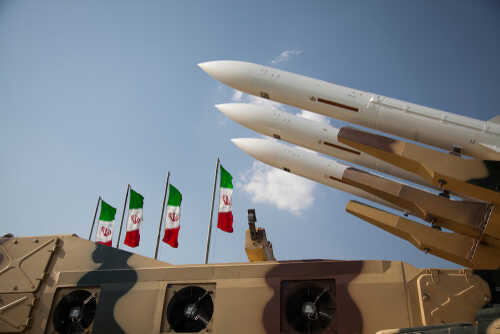
Following devastating losses during the June 2025 Twelve-Day War, Iran has launched a determined campaign to restore its missile capabilities. Intelligence reports and media investigations reveal that China, despite newly reimposed United Nations sanctions, is supplying Iran with critical missile components—most notably sodium perchlorate, an essential precursor for solid-fuel rockets. These shipments, arriving at Iran’s Bandar Abbas port since late September, have been tracked and verified by Western agencies, highlighting China’s increasingly central role in Iran’s military resurgence. The scale of support, including technical advice and material transfers, directly undermines international efforts to curb missile proliferation.
China’s support for Iran’s missile program is not a recent development. Strategic ties between the two nations stretch back decades, with China providing crucial missile technology and expertise since the late 1980s. The relationship deepened in 2021 with a 25-year Strategic Cooperation Agreement, which expanded economic and defense collaboration. While China claims its involvement is limited to economic and diplomatic activities, recent intelligence points to ongoing material shipments, technical consulting, and even potential integration of Chinese satellite navigation systems into Iranian missile platforms. This clandestine cooperation has allowed Iran to accelerate the rebuilding of medium-range, solid-fuel missiles, restoring its strategic deterrence at a time when its regional proxies have been weakened by Israeli operations.
WSJ: Since September China has shipped 2,000 tons of sodium perchlorate to Iran’s Bandar Abbas, a missile fuel precursor enough for roughly 500 ballistic missiles. Iran is restocking after the June strikes while the U.S. and Israel rush to replenish interceptor stocks. pic.twitter.com/HJS9K3t3D5
— Open Source Intel (@Osint613) October 29, 2025
Sanctions Evasion and International Response
The reimposition of UN “snapback” sanctions in September 2025 was intended to halt Iran’s missile rebuilding by banning all arms-related transfers. However, evidence shows that China is actively circumventing these restrictions. Western intelligence agencies have documented multiple shipments of sodium perchlorate, a banned solid-fuel precursor, arriving from China and being transferred to Iranian military facilities. Chinese shipping companies, some already under U.S. sanctions, continue to facilitate these deliveries. The United States and Israel have responded with targeted actions against Iranian procurement networks and Chinese entities, seeking to disrupt the flow of materials and hold violators accountable. Despite these efforts, Iran’s missile stockpiles are growing, and the effectiveness of international arms control regimes is being called into question.
China’s public denials of involvement stand in stark contrast to mounting evidence from intelligence intercepts, shipping manifests, and regional monitoring. Iranian officials openly acknowledge their intent to accelerate missile rebuilding and deepen technological cooperation with China. Western analysts warn that the recent influx of missile fuel—over 2,000 tons by some estimates—is sufficient to produce hundreds of ballistic missiles, dramatically shifting the regional balance of power. This blatant disregard for international law not only threatens U.S. interests but also undermines the credibility of the United Nations and the global nonproliferation framework.
Regional Security Implications and Conservative Concerns
The resurgence of Iran’s missile program, powered by Chinese support, presents severe risks to U.S. allies and the broader Middle East. Israel and Gulf states now face a renewed missile threat, escalating tensions and increasing the likelihood of future conflict. The Iranian population is also suffering under intensified sanctions and economic isolation, yet the regime prioritizes military buildup over domestic welfare. For American conservatives, this episode highlights the dangers of globalist policies that have failed to hold adversaries accountable and the critical need for robust enforcement of sanctions and arms control agreements. The erosion of international norms and the empowerment of hostile regimes threaten constitutional values, national security, and the safety of U.S. partners abroad.
Various analyses underscore that China’s shift from direct arms sales to technical assistance and dual-use material provision makes detection and enforcement more challenging. As Iran and China deepen their strategic partnership, the risk of an arms race in the Middle East grows. This situation demands vigilant oversight, decisive action from the Trump administration, and unwavering support for America’s traditional allies.
Watch the report: Western Intelligence: Iran Rebuilding Missile Program with Chinese Help Despite UN Sanctions | APT
Sources:
Crink Security Ties: Growing Cooperation Anchored China and Russia
Is the cautious China-Iran military cooperation at a turning point?
Iran buys banned materials from China to rebuild missile arsenal
MENA Defense Intelligence Digest September 2025
Iran rebuilding missile arsenal with China’s help despite UN sanctions
US Treasury targets Iranian procurement networks and Chinese entities